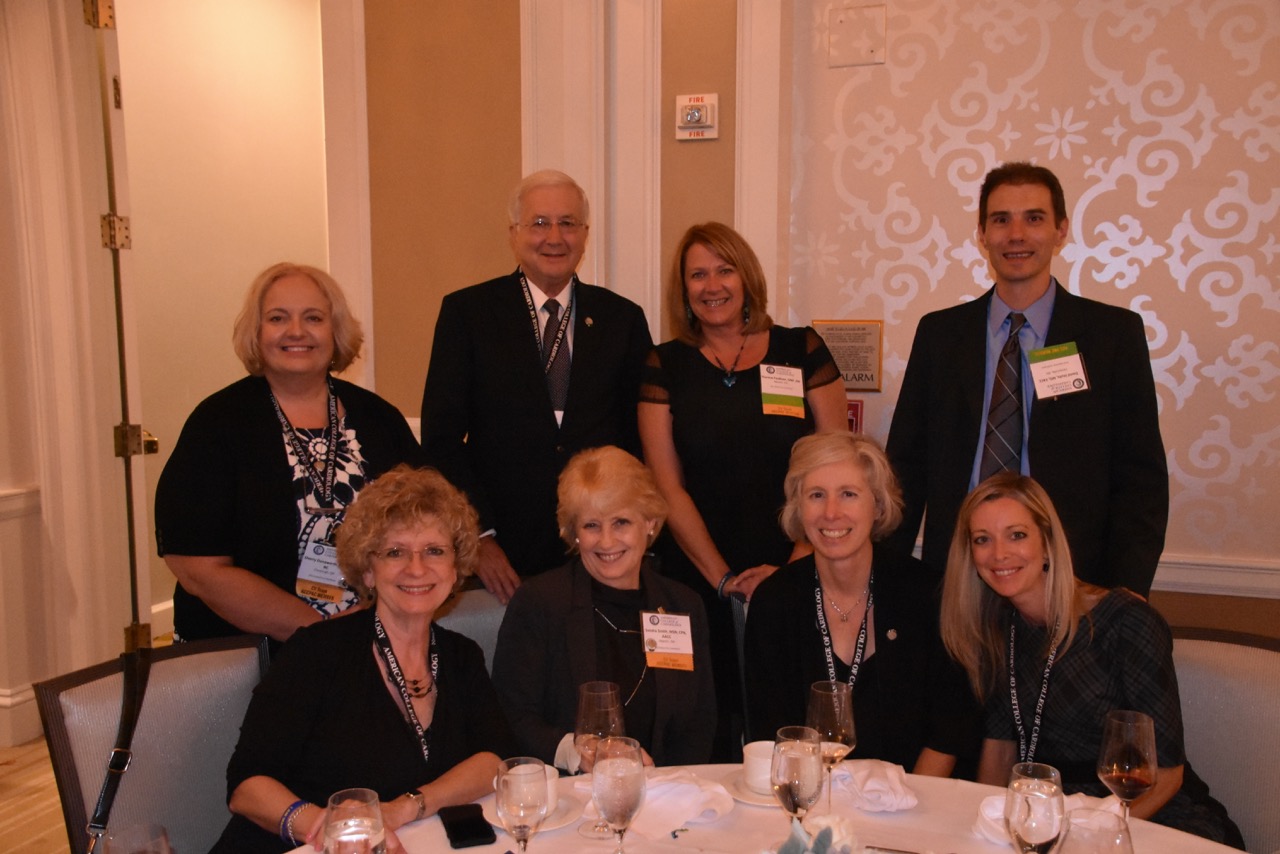
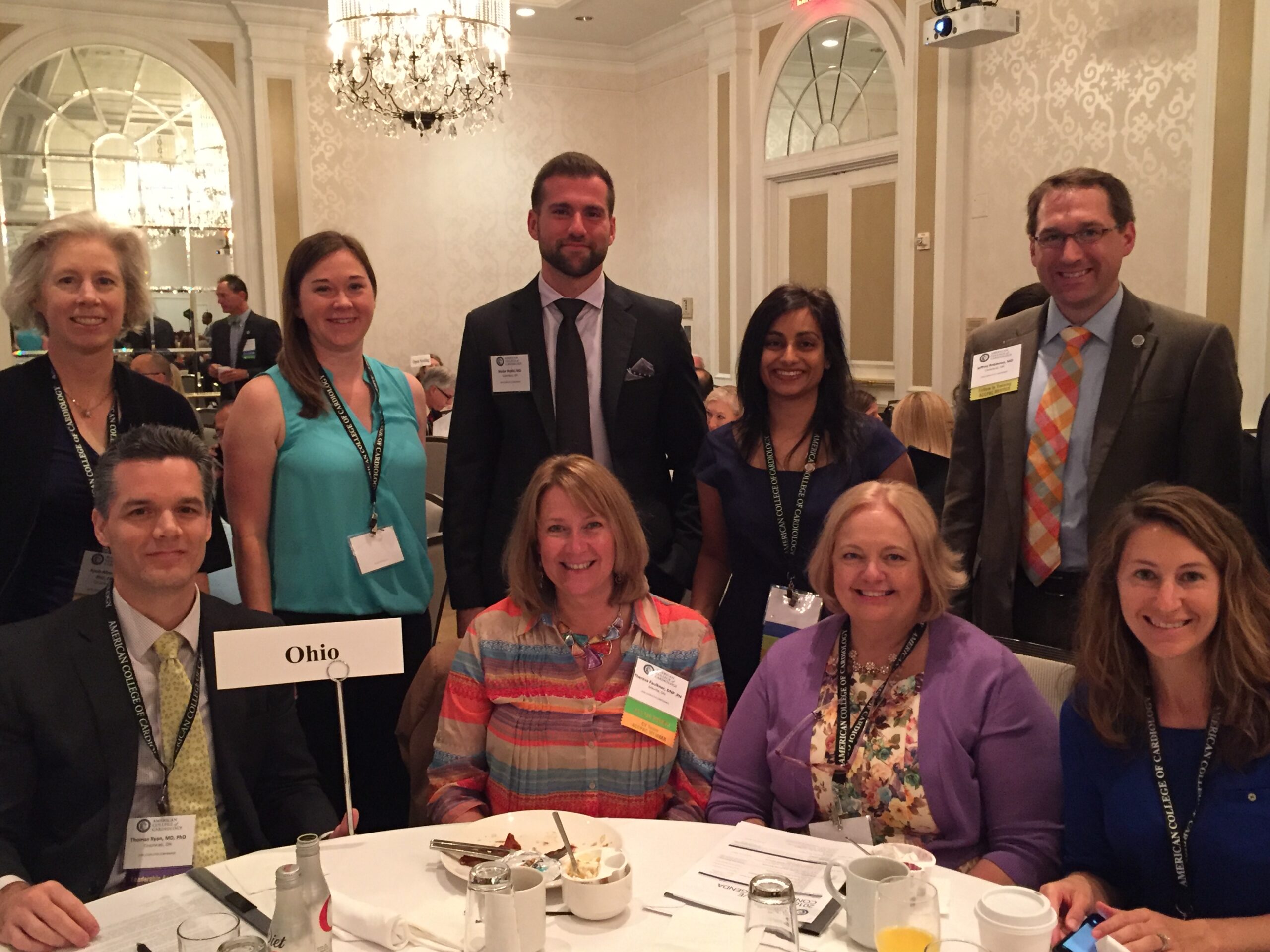
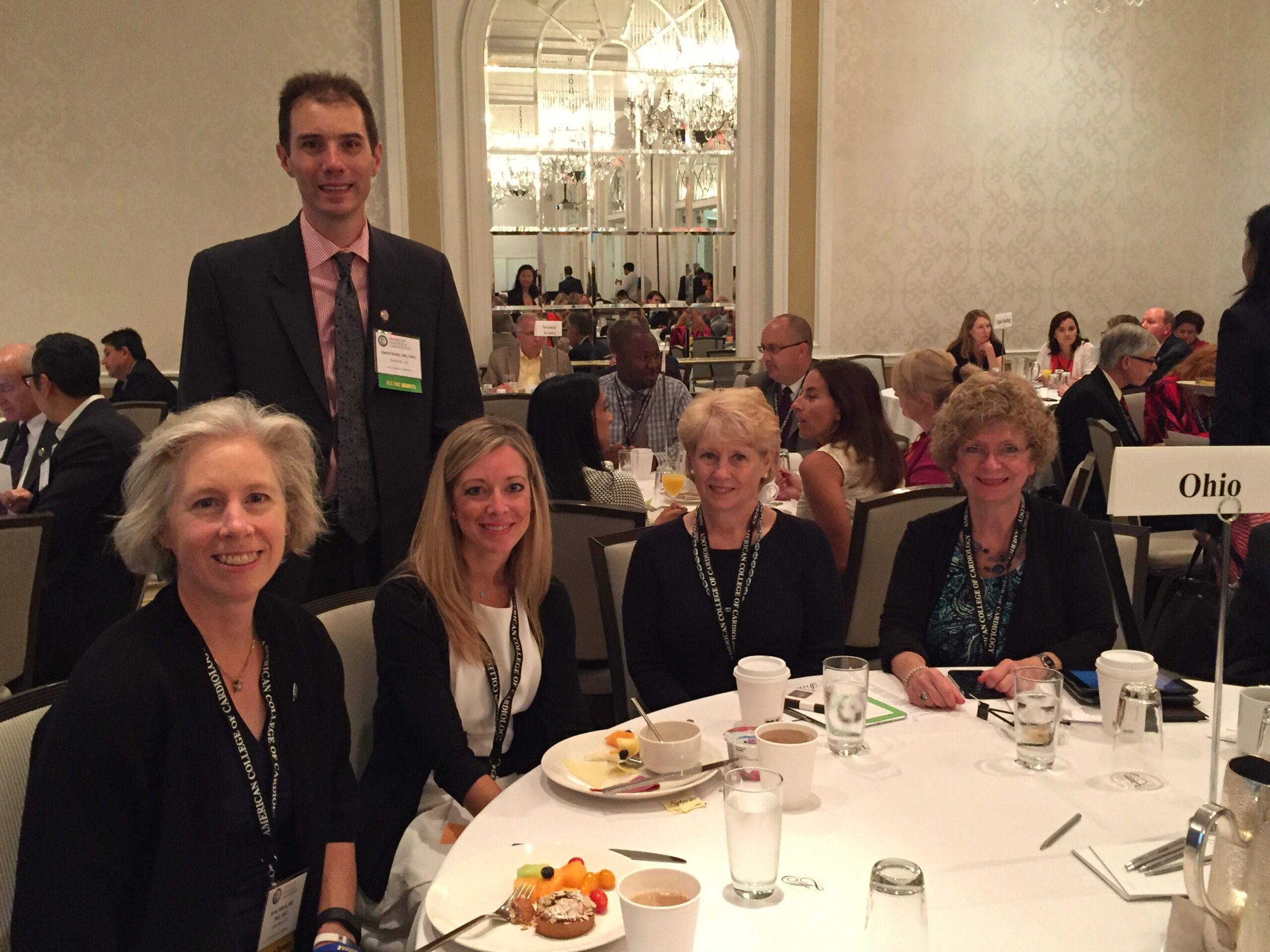
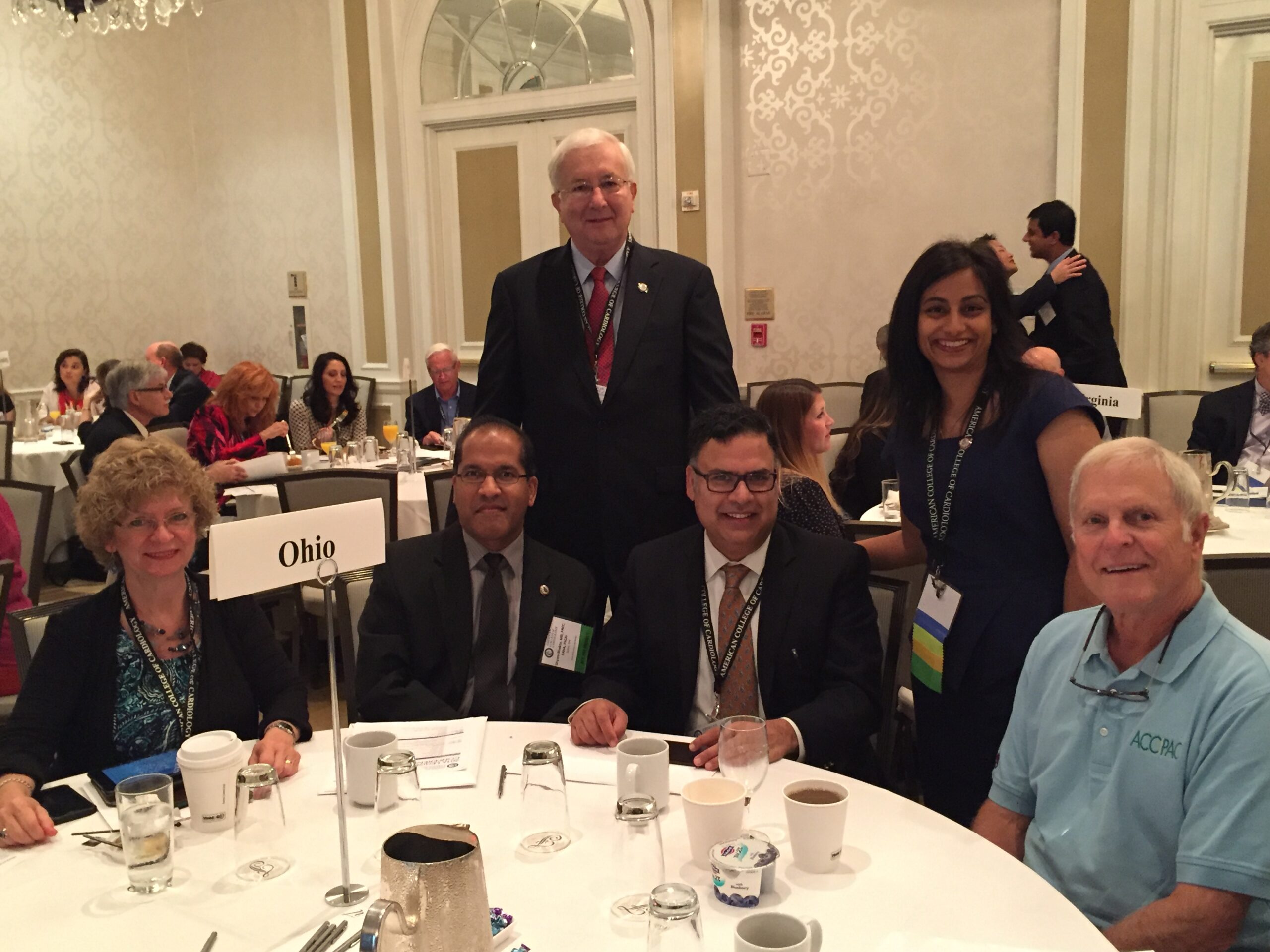
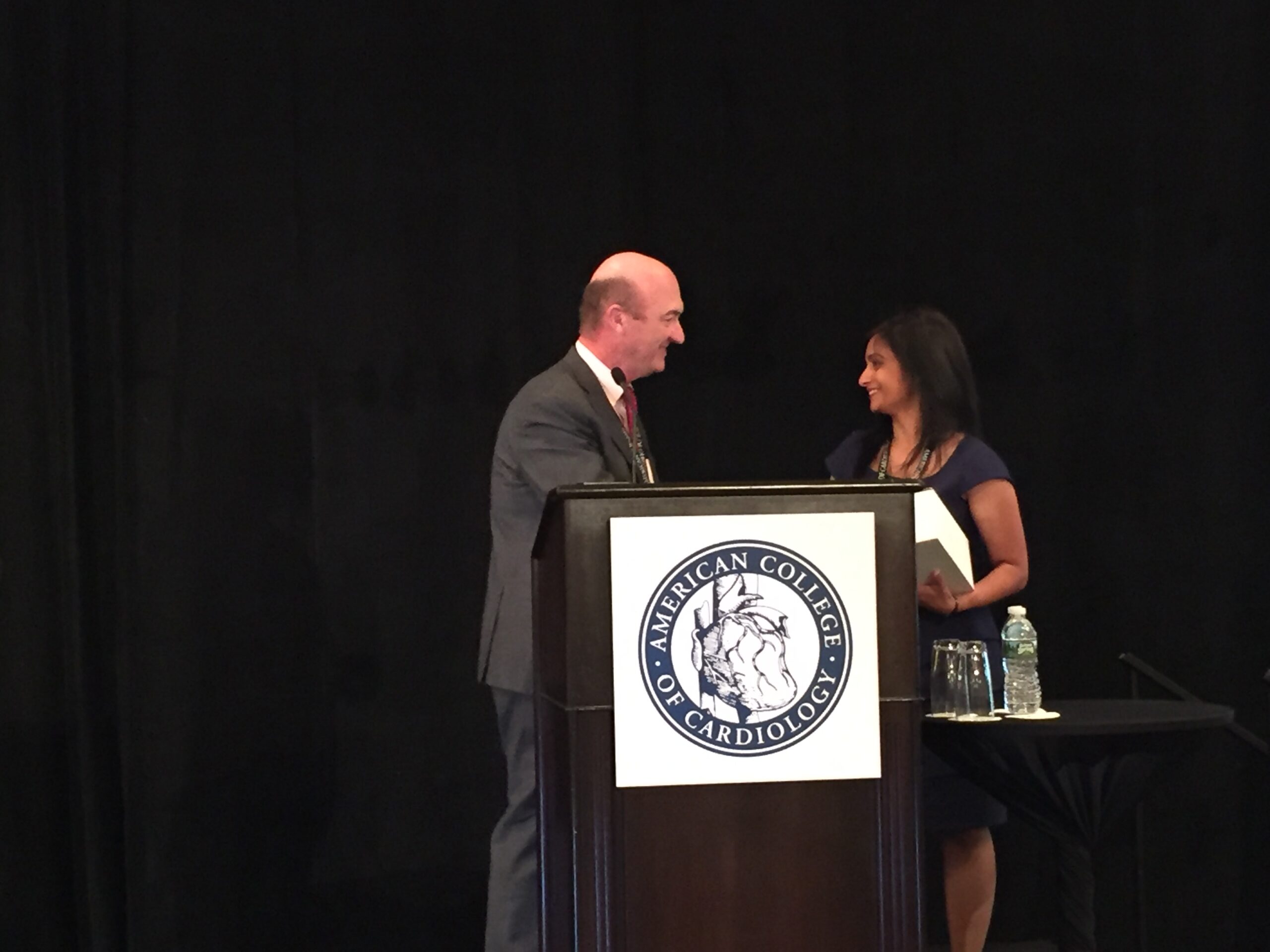
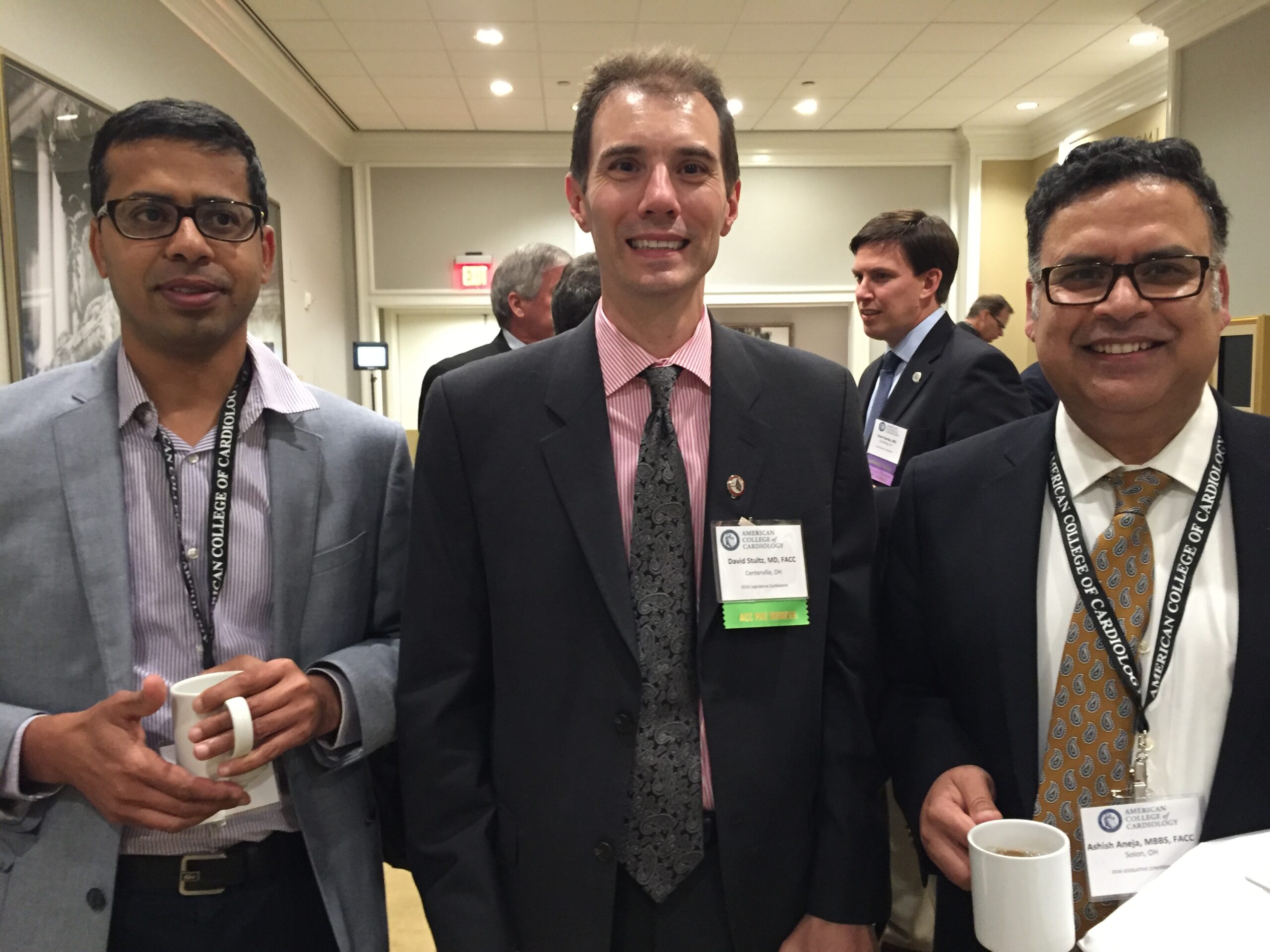
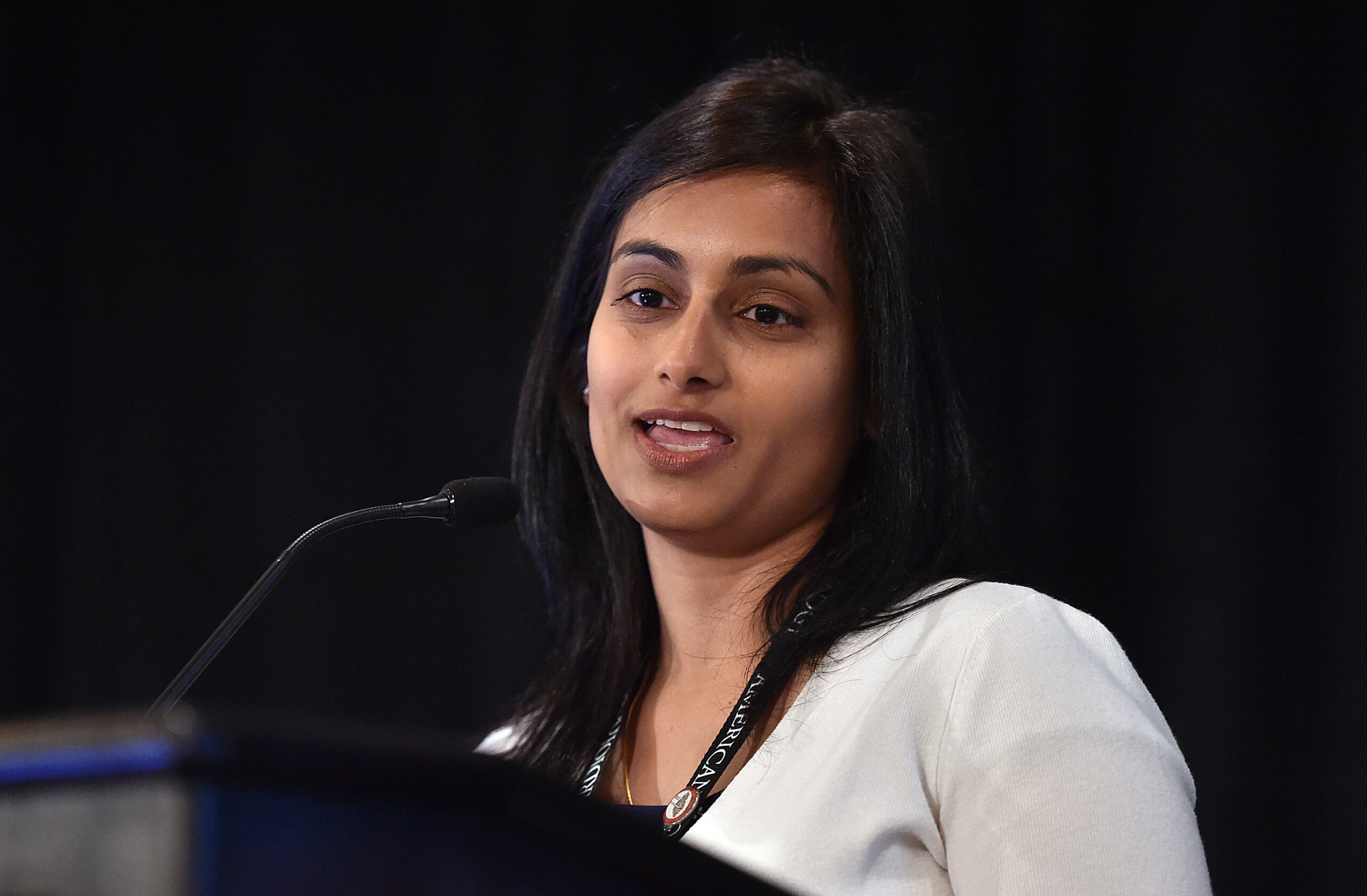
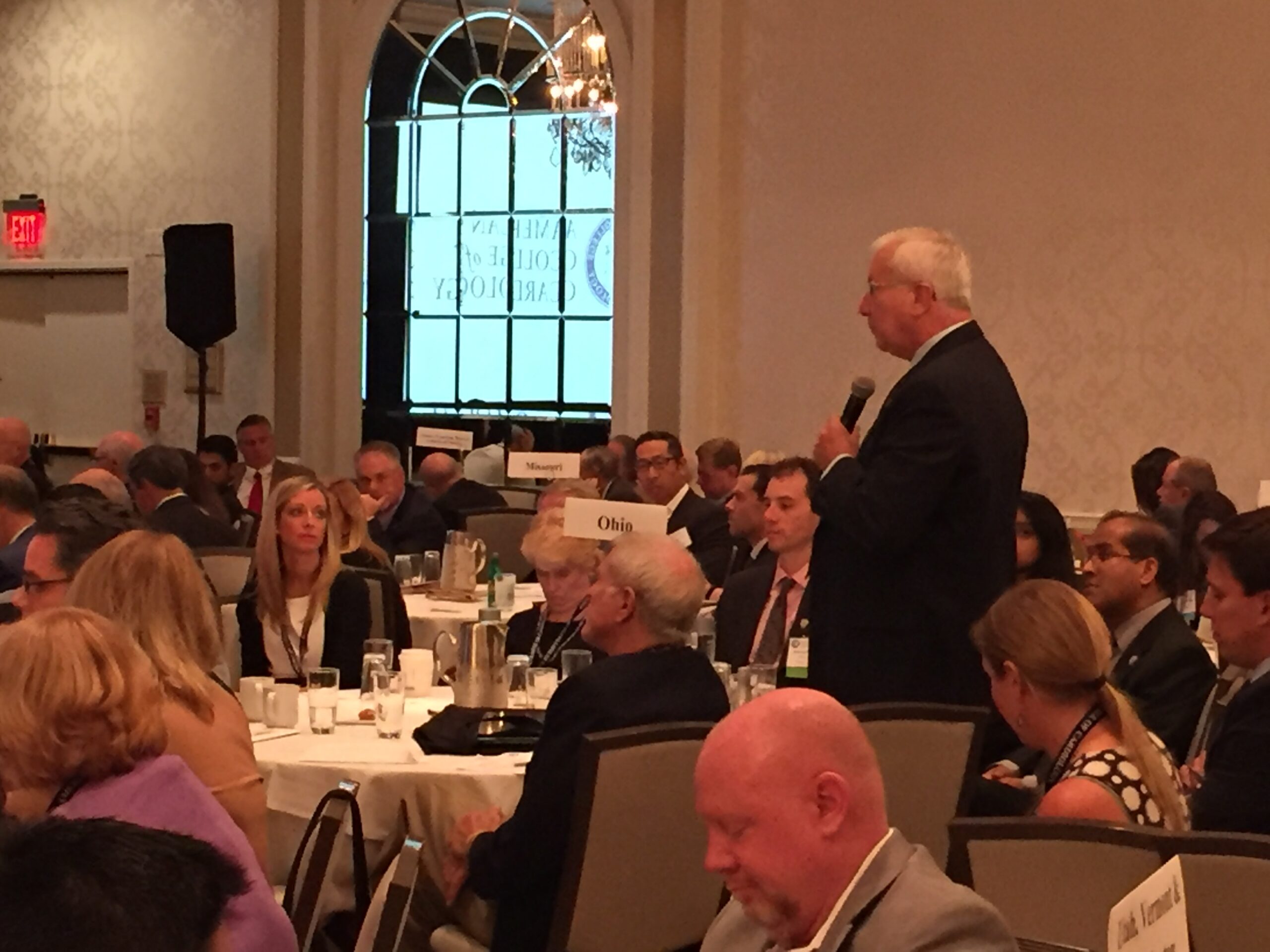
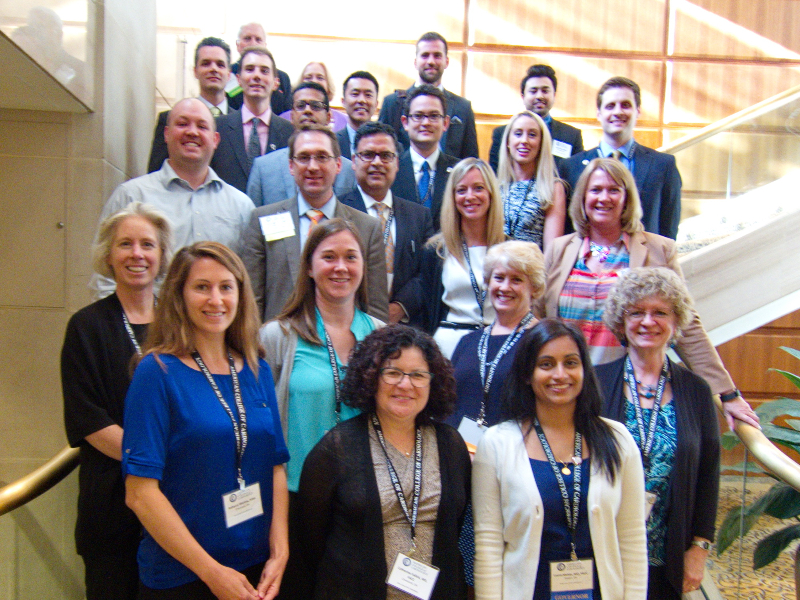
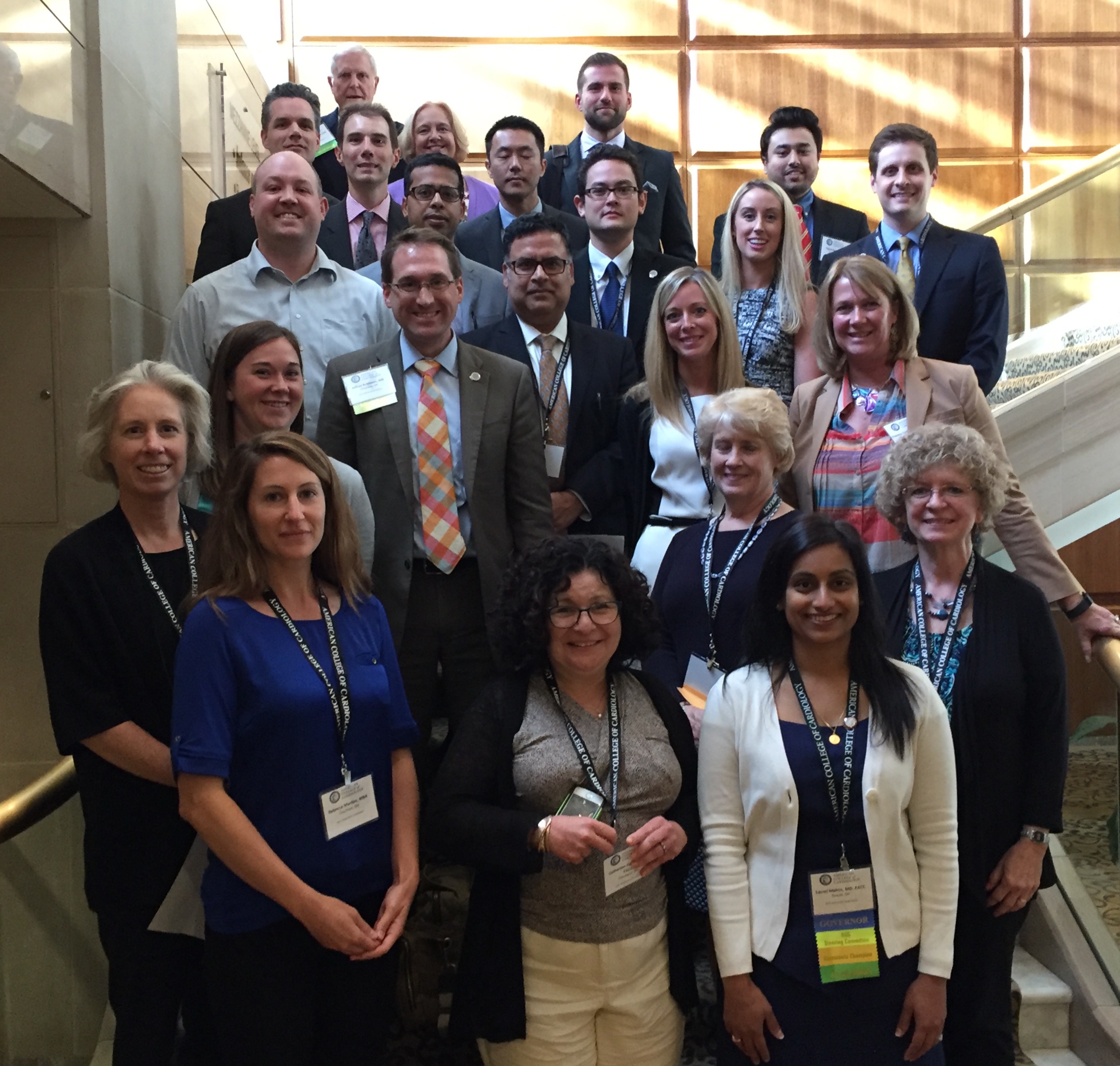
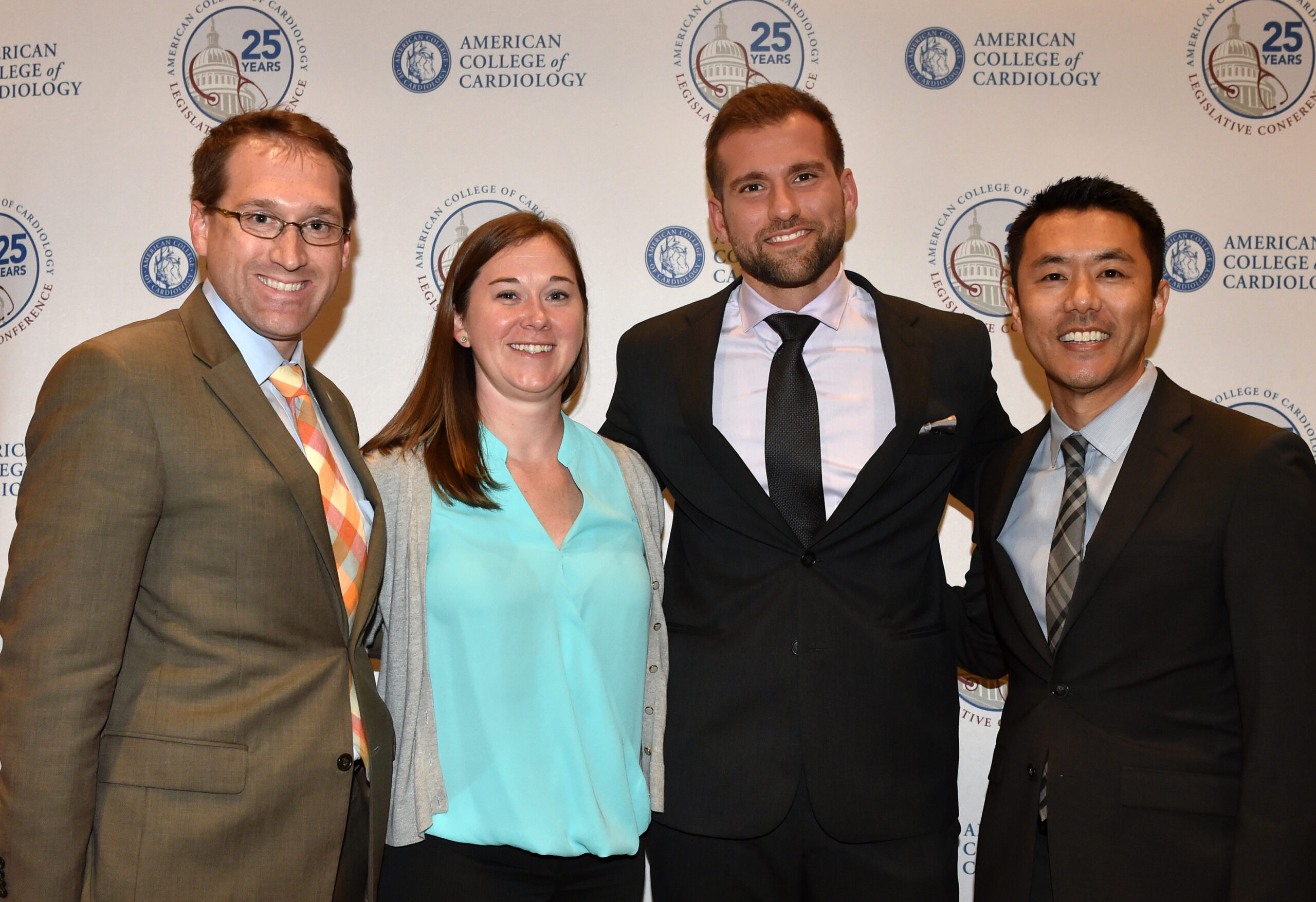
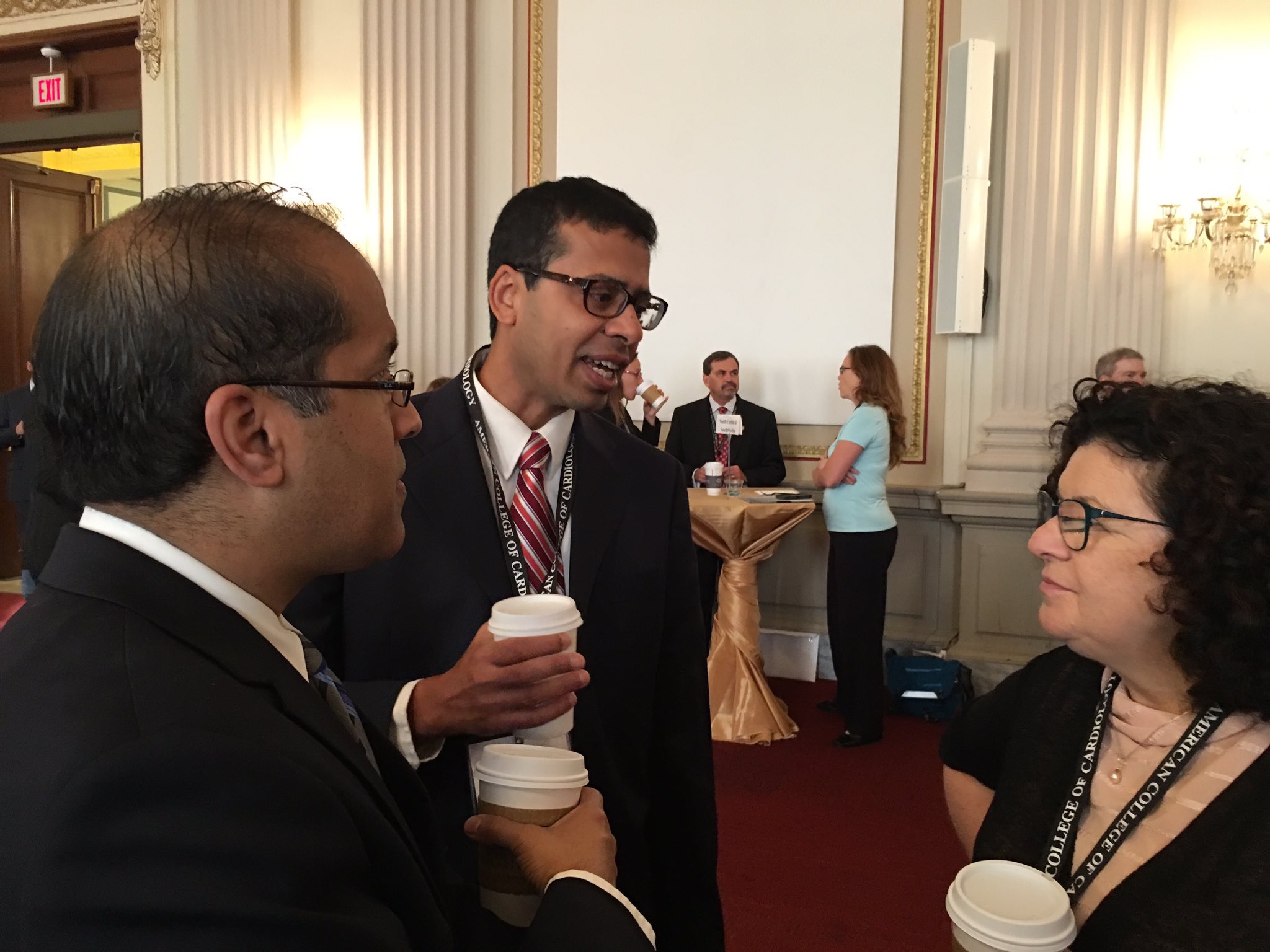
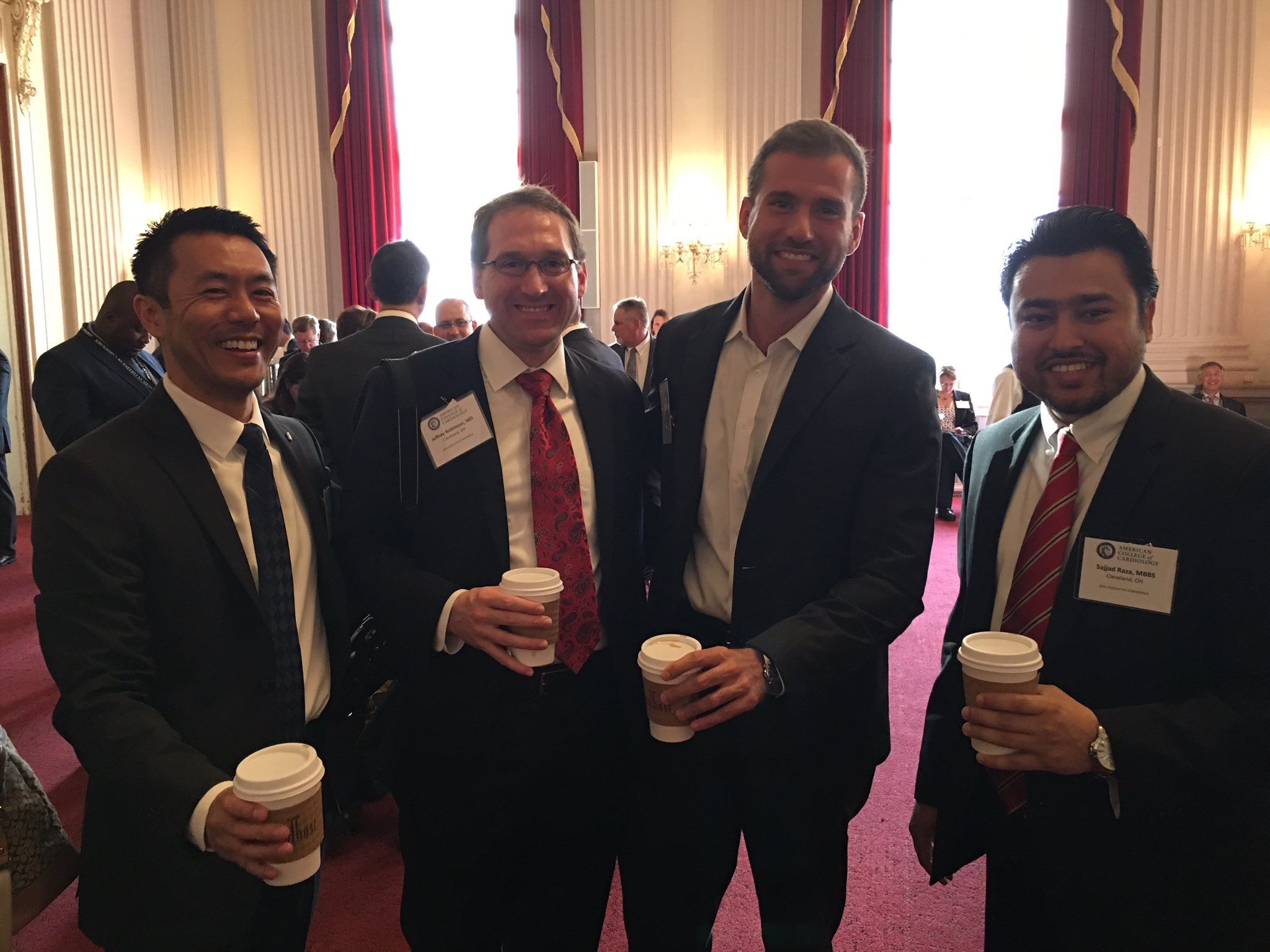
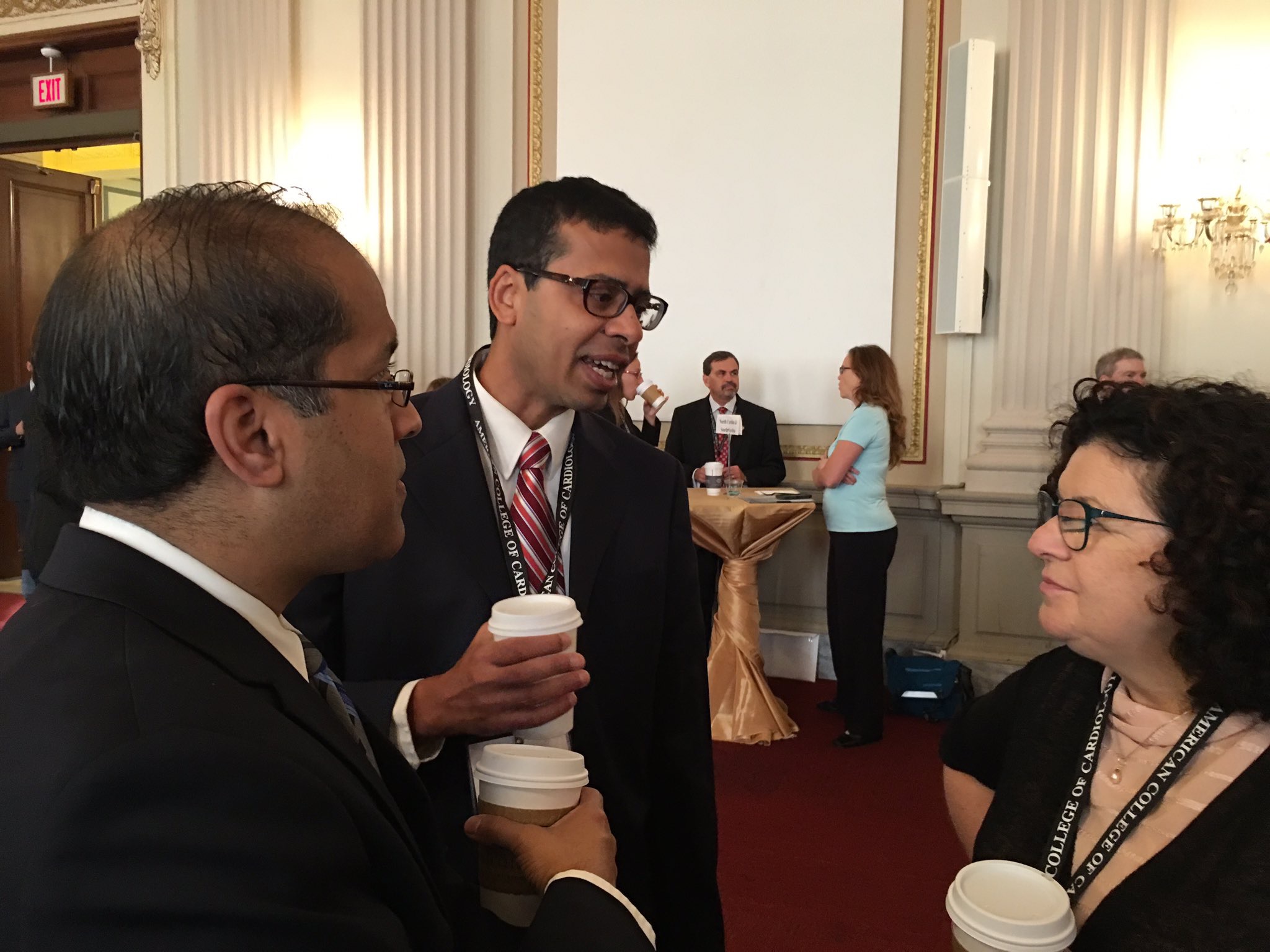
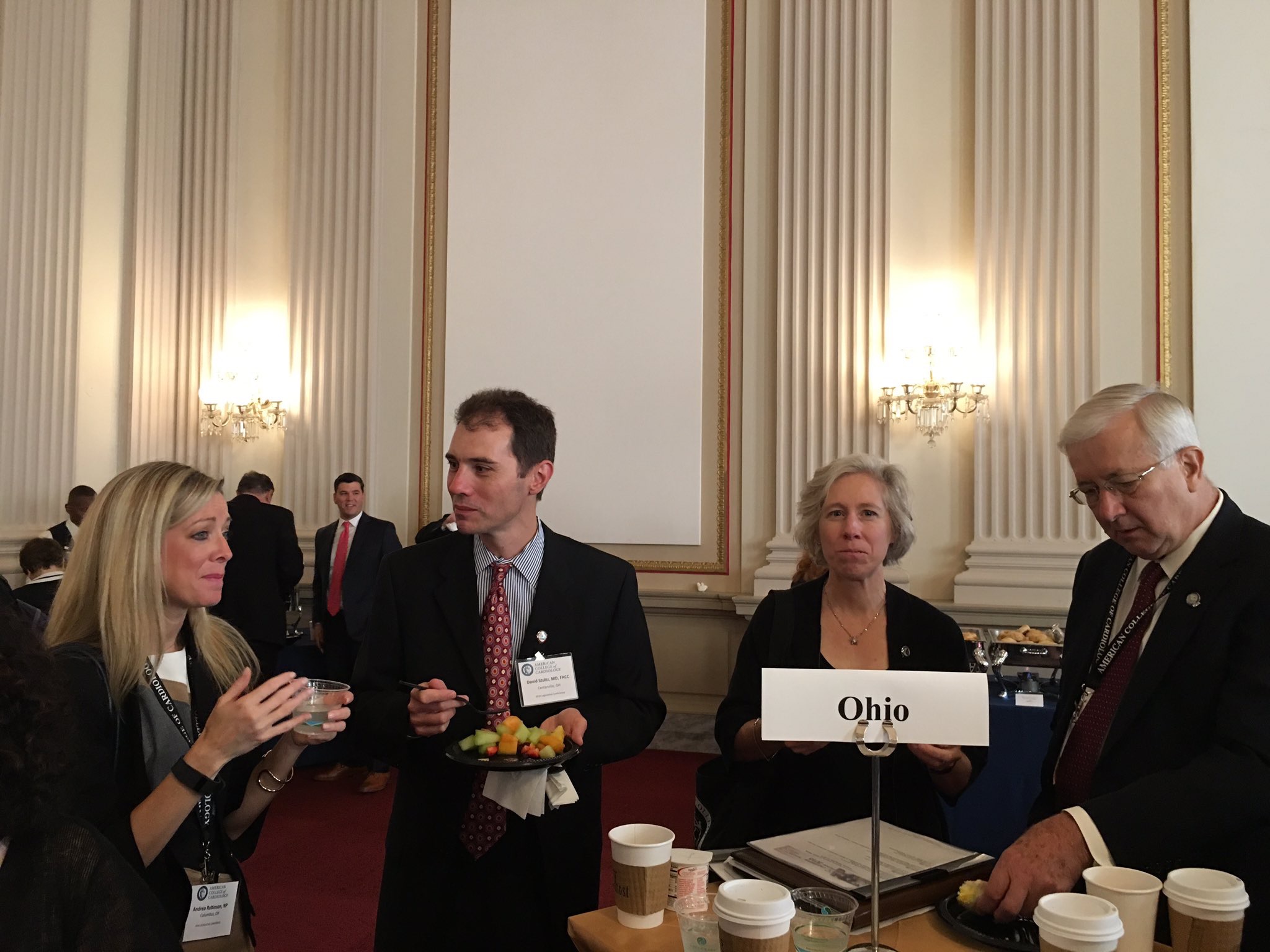
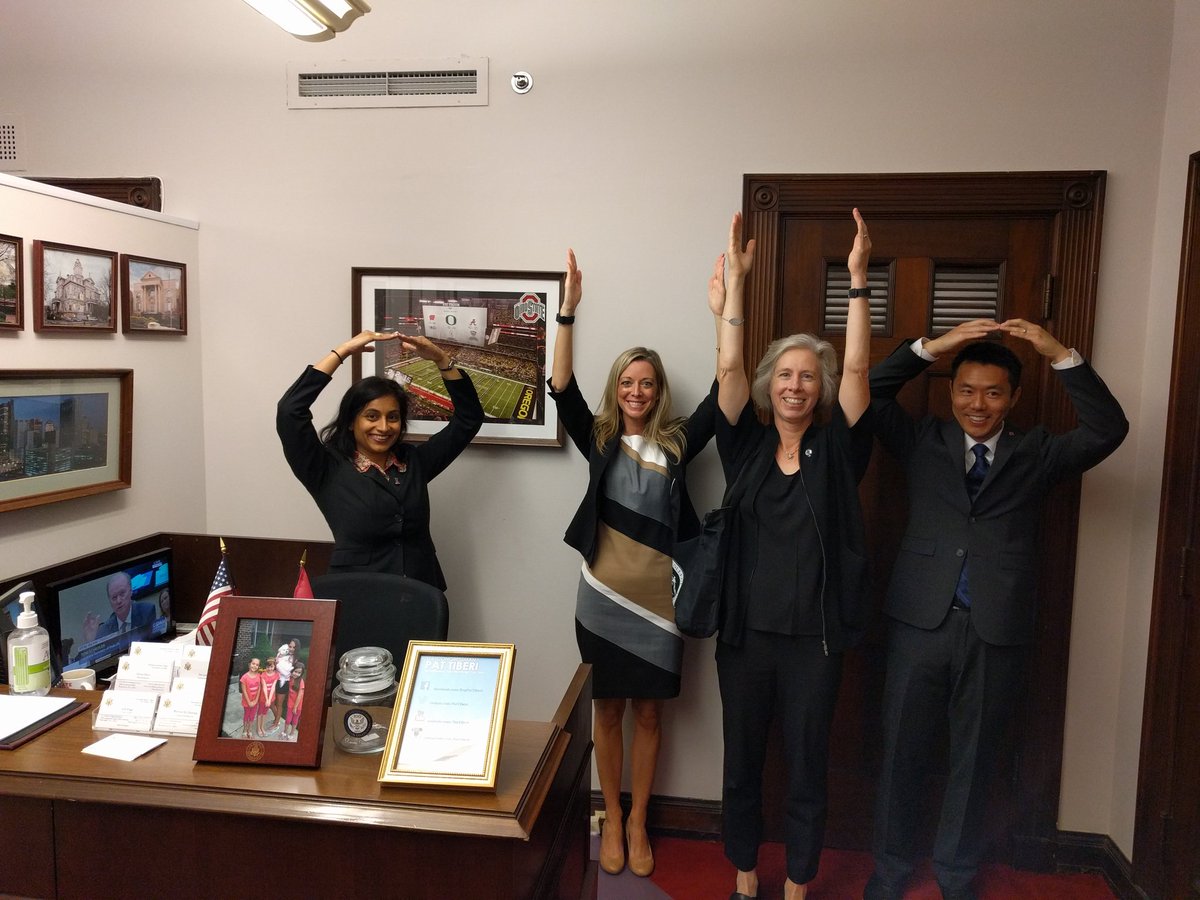
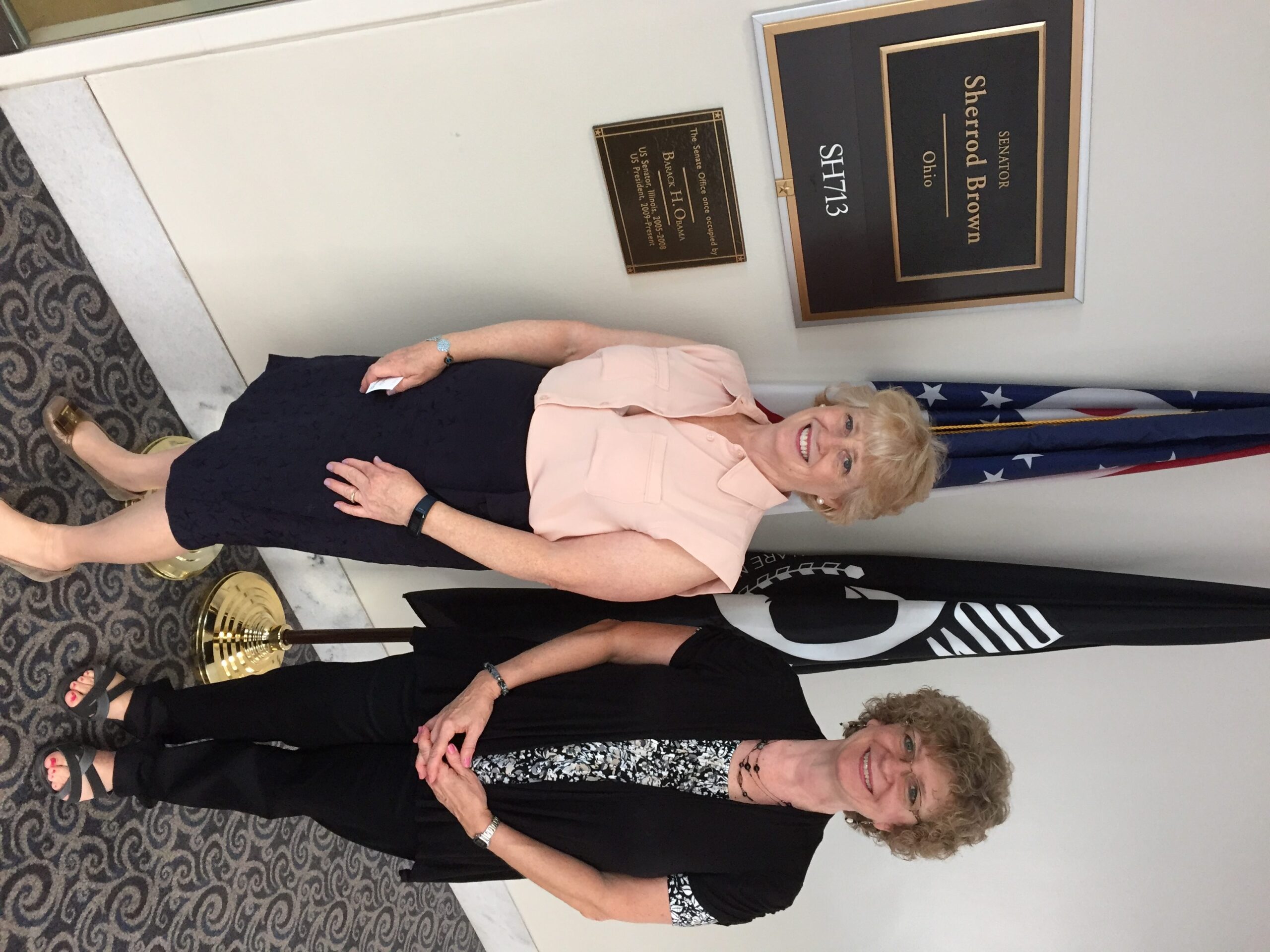
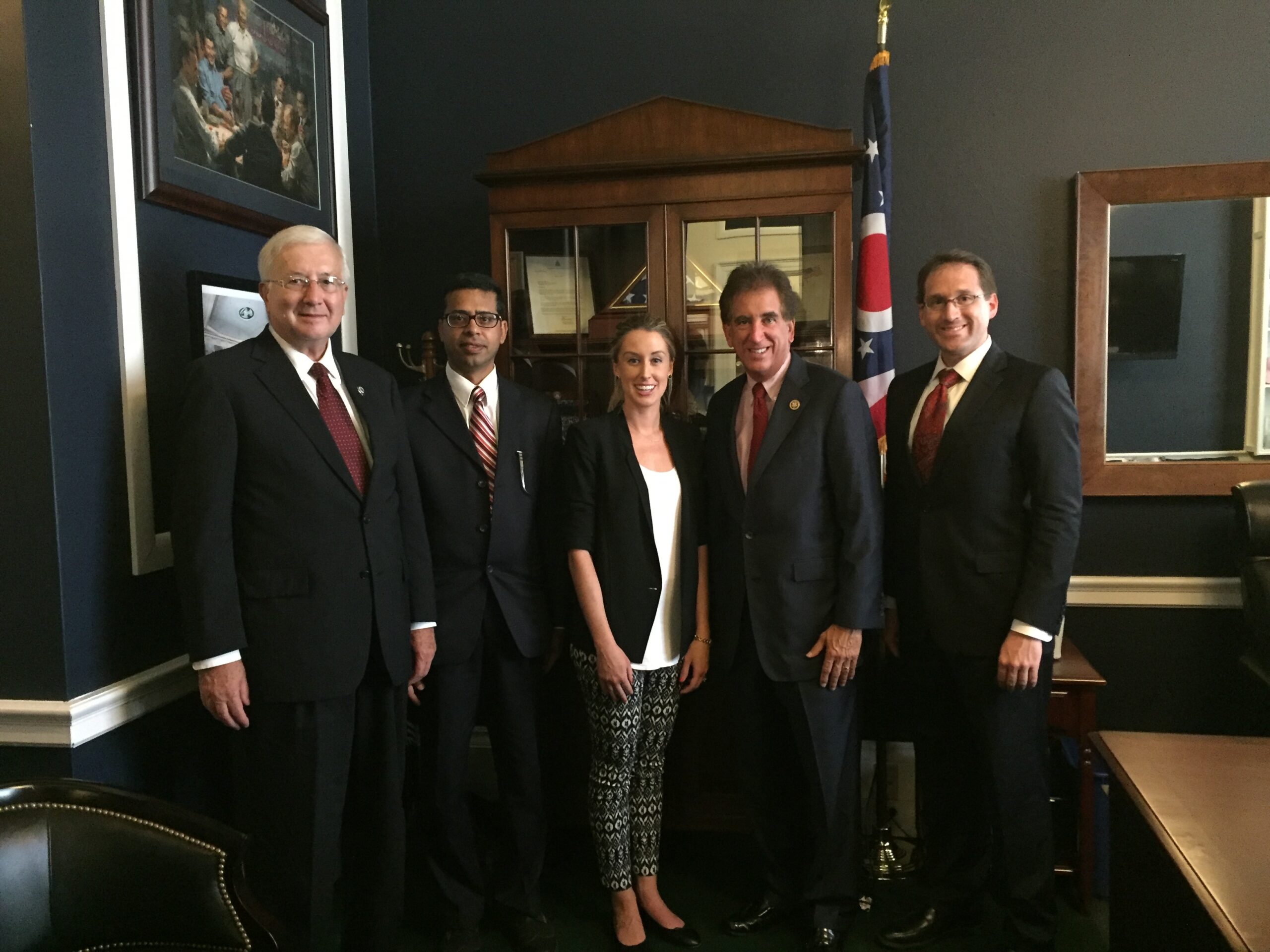
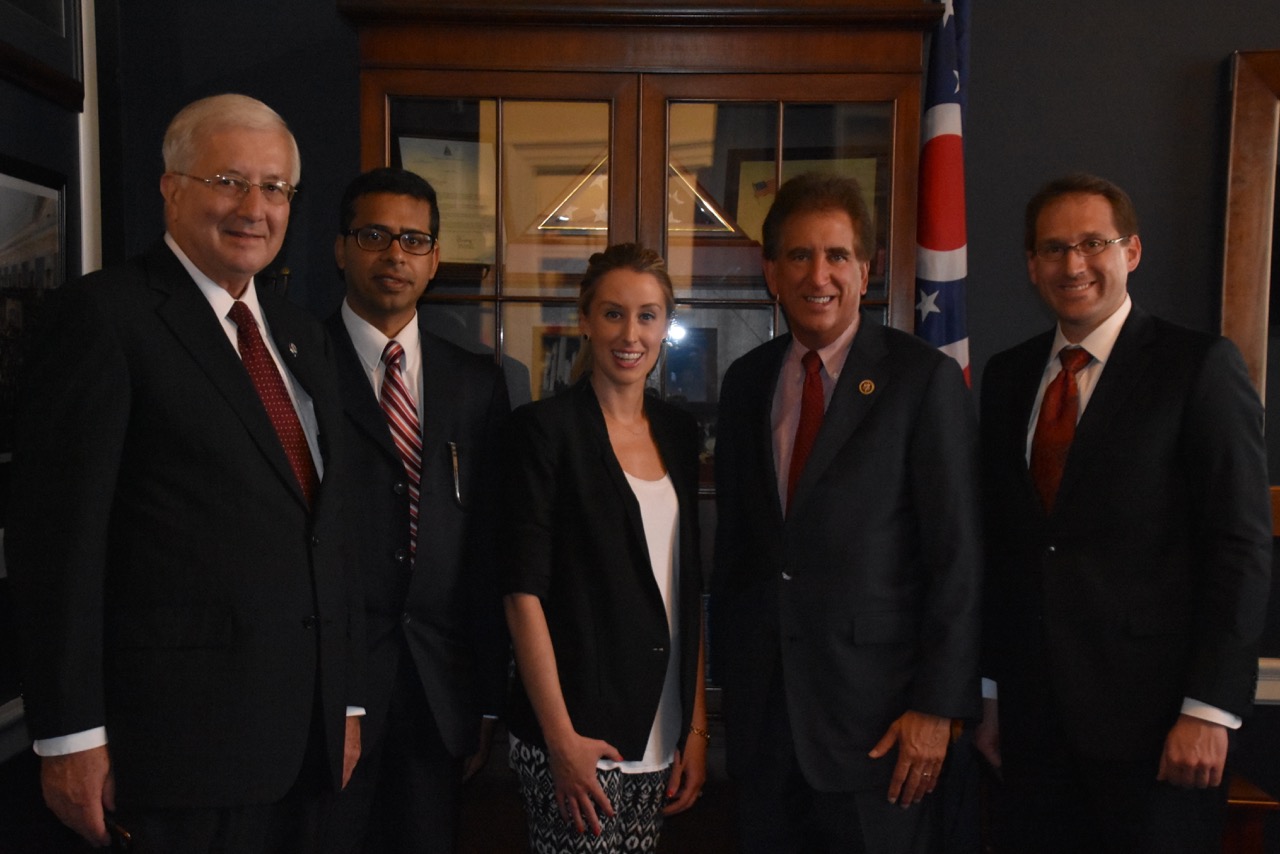
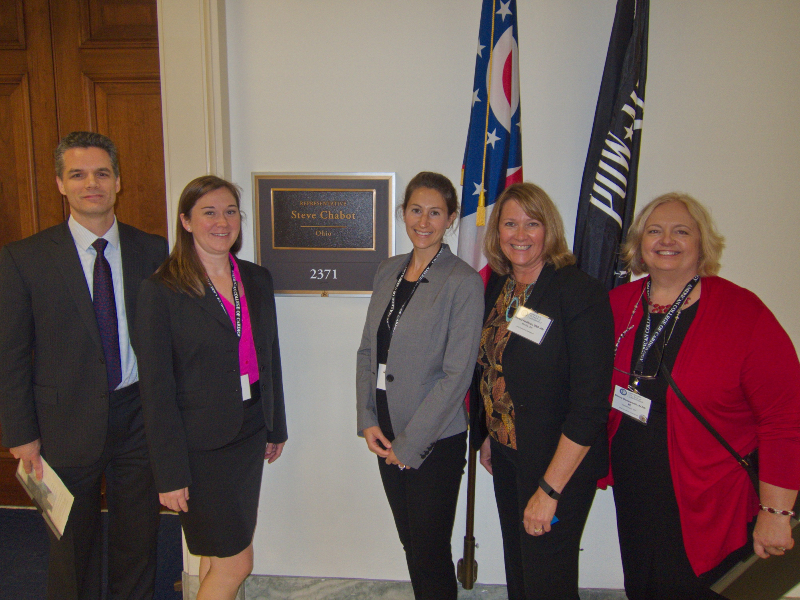
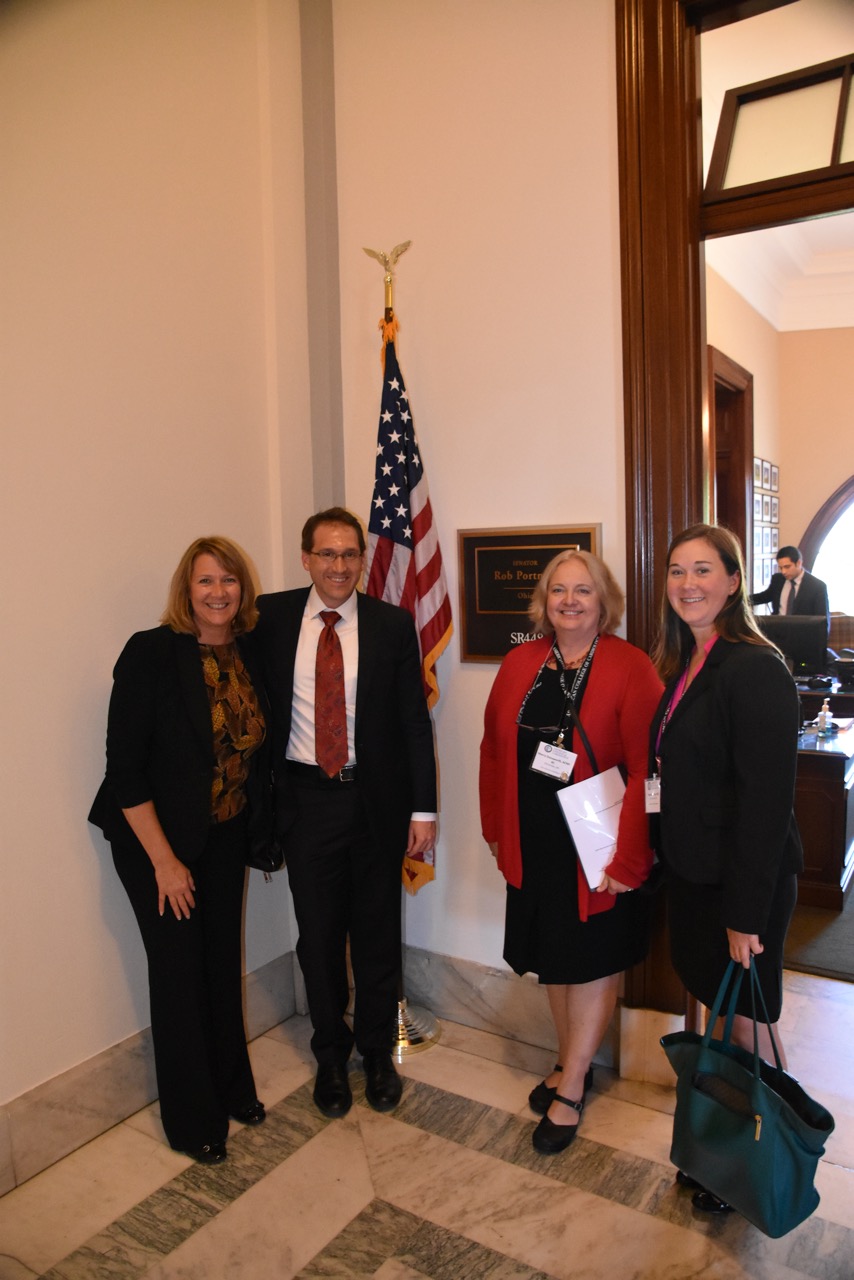
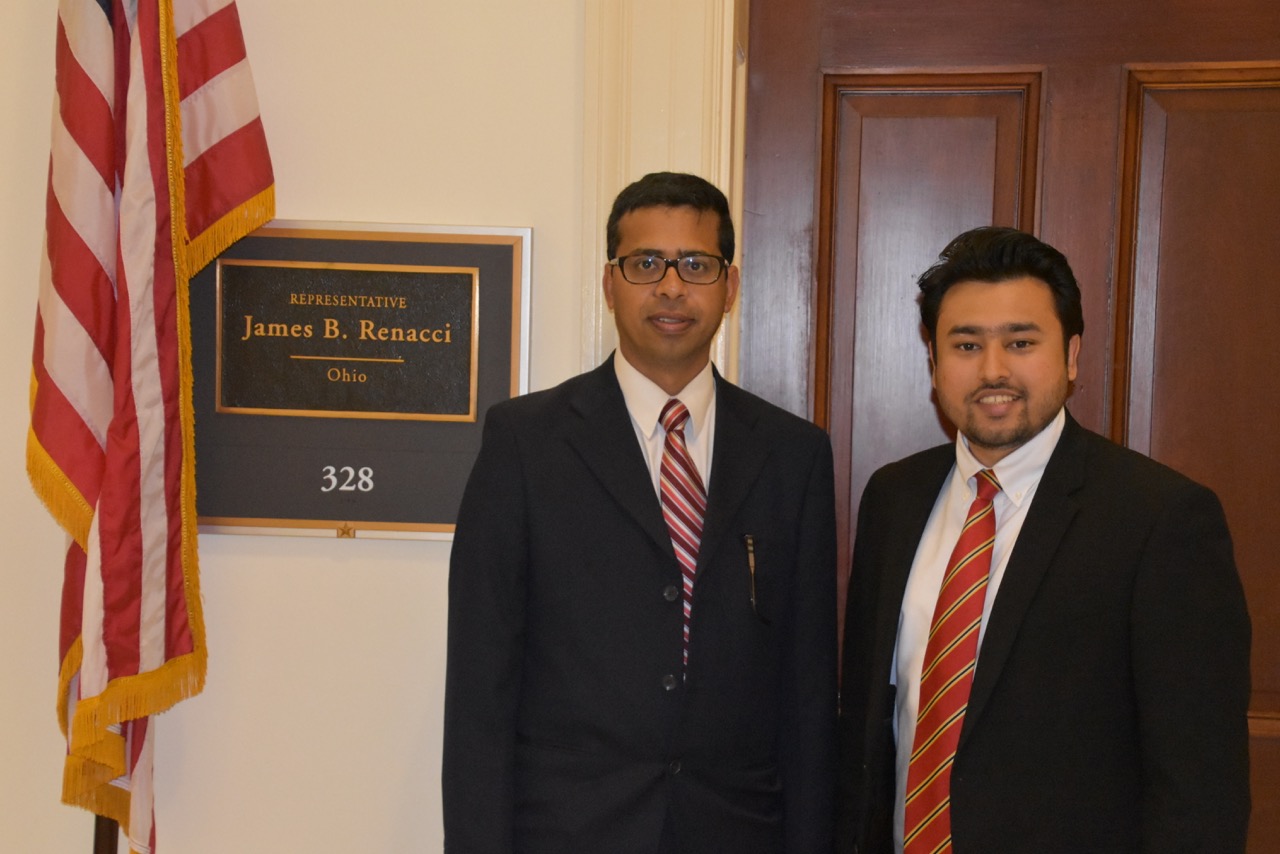
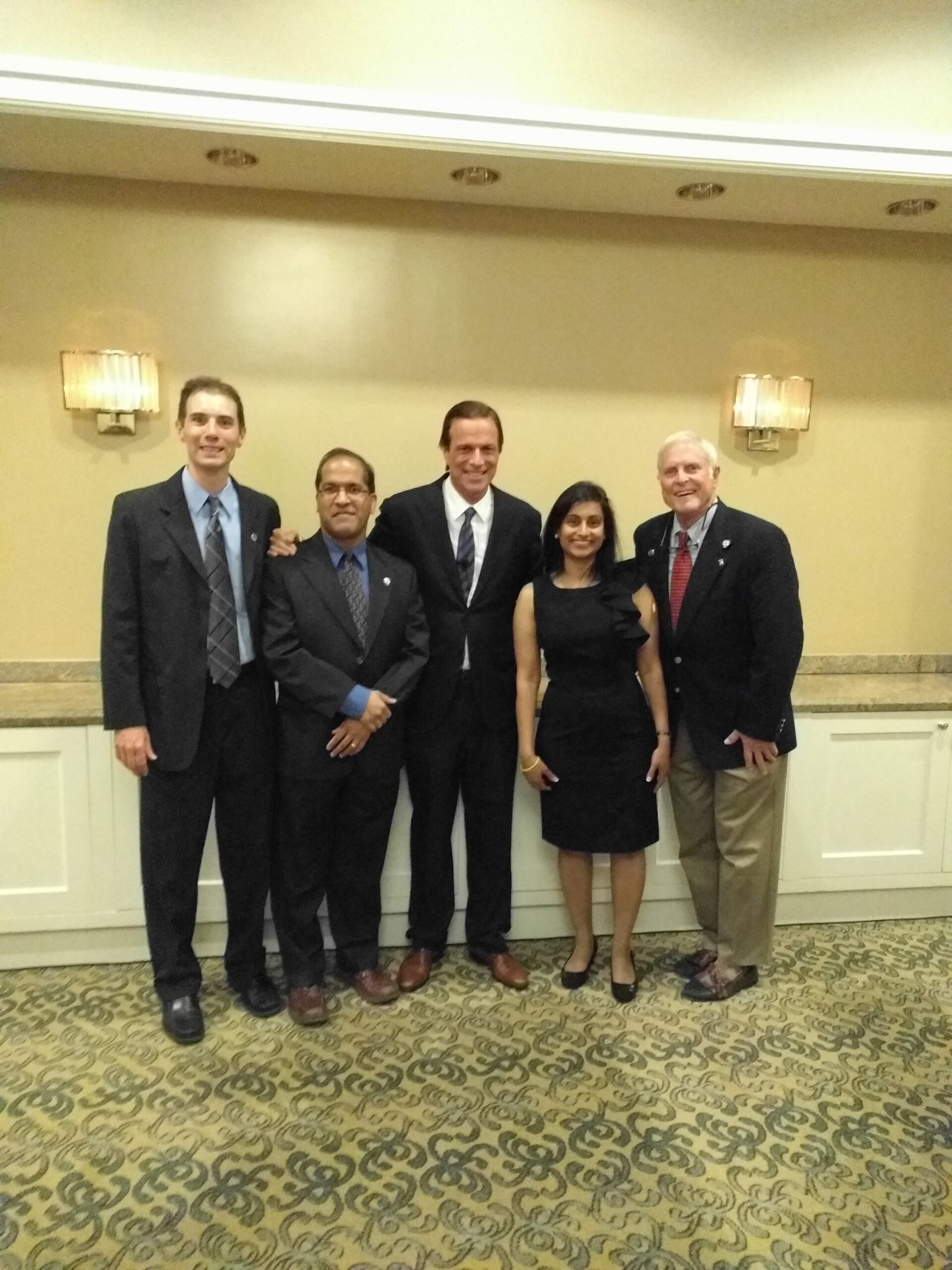
Twenty-seven Ohio-ACC members headed to Washington, DC, for the ACC Legislative Conference and to meet with Congress. Attendees participated in a full lineup of sessions with the more than 400 attendees to effect change. Members lobbied for MACRA, additional funding for medical research, and cardiac rehabilitation.
Photos
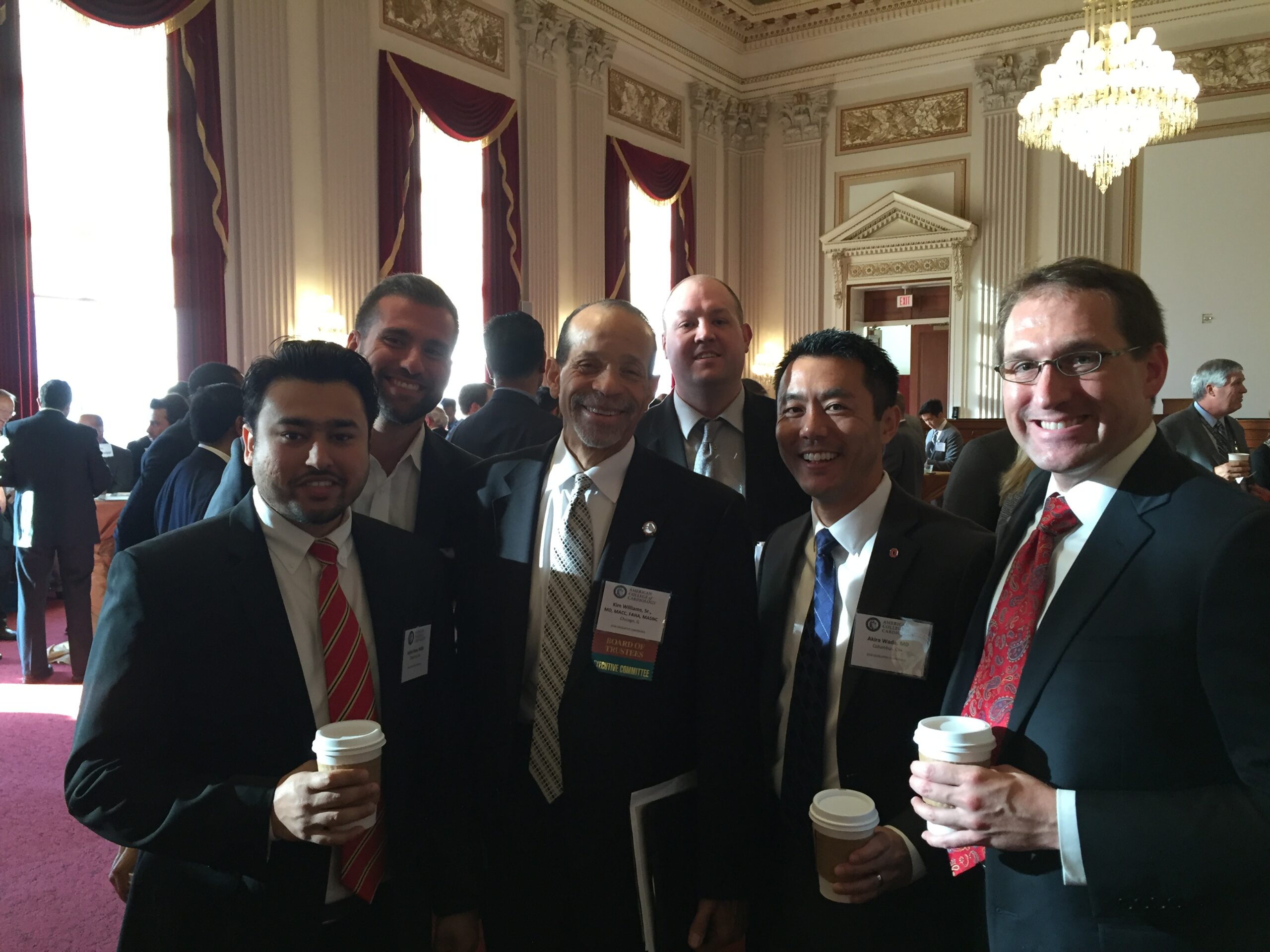
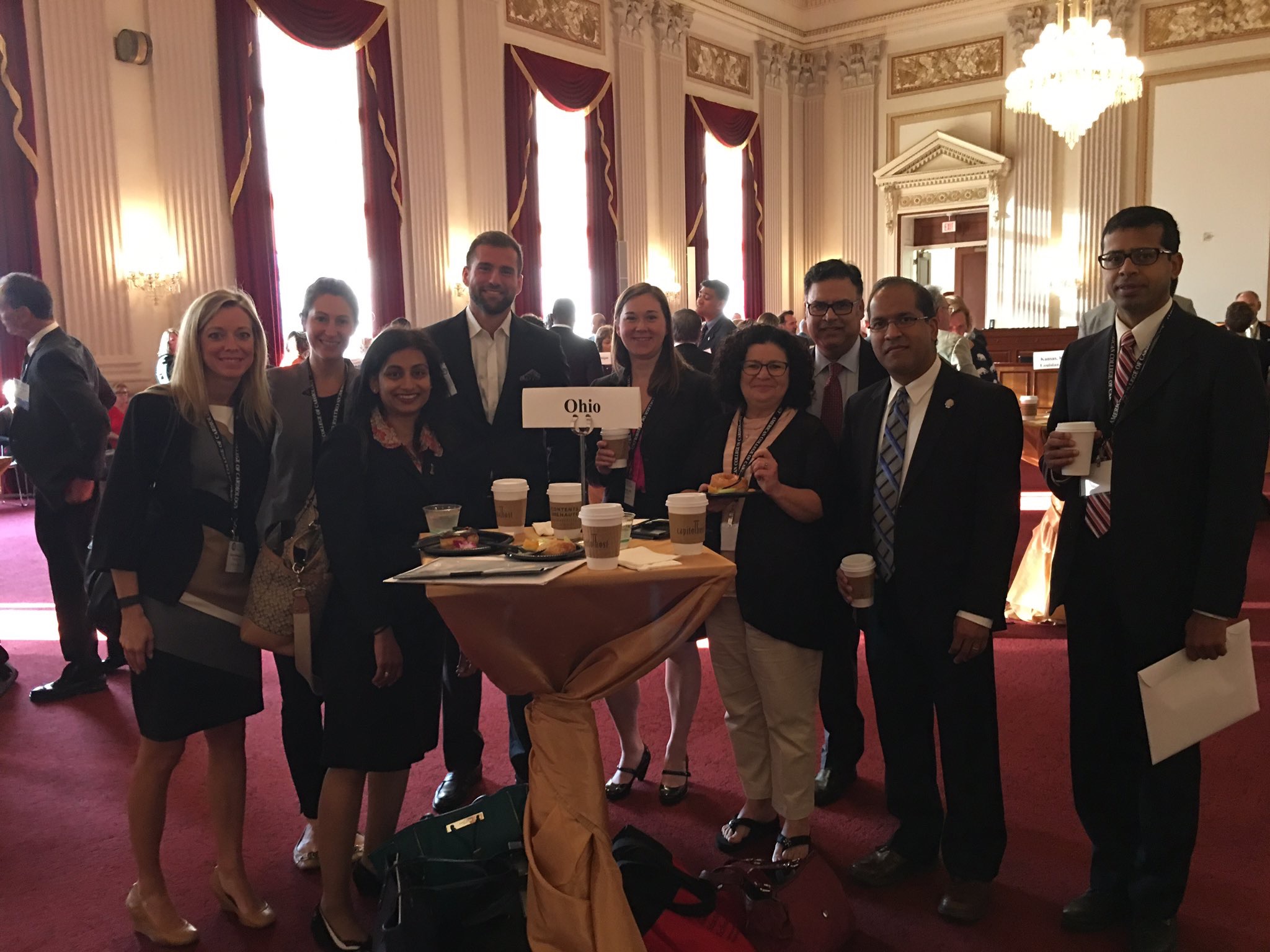
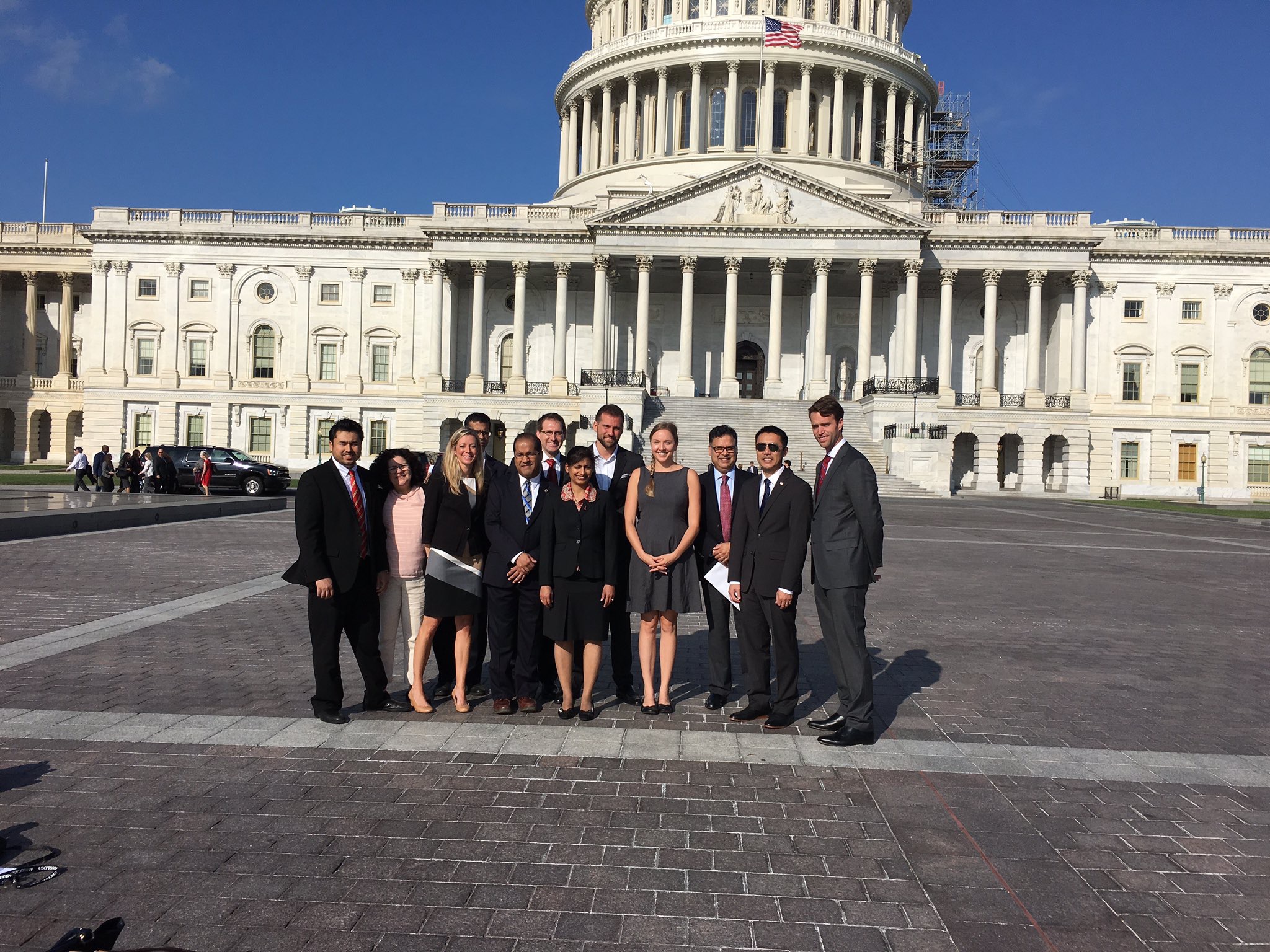
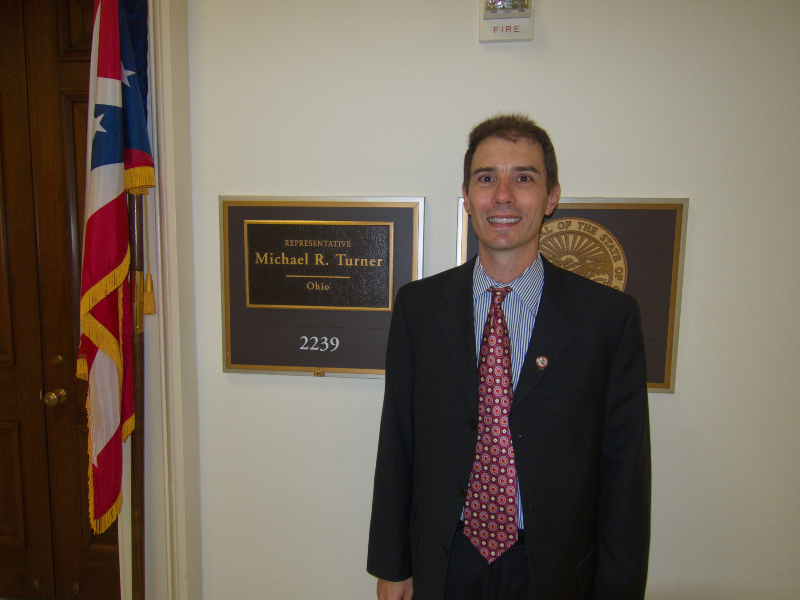
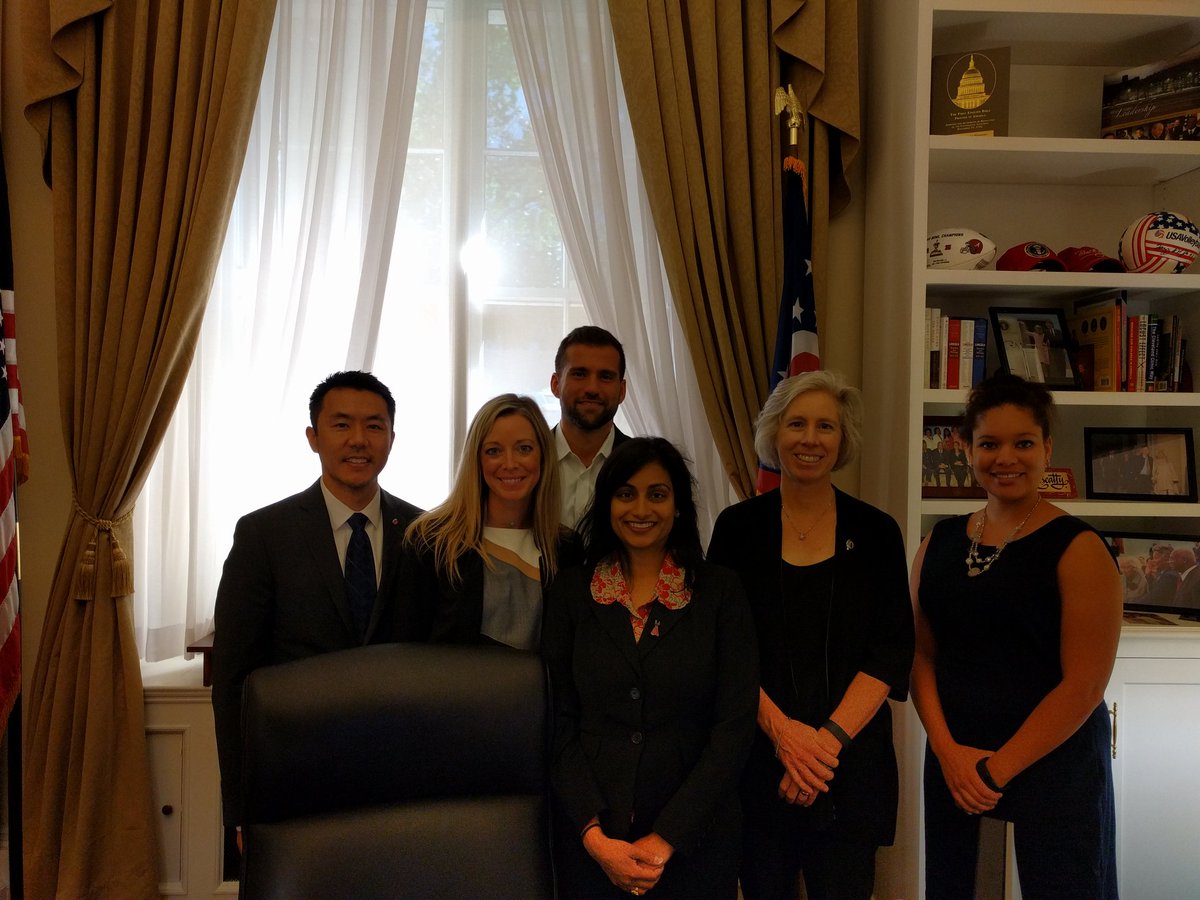
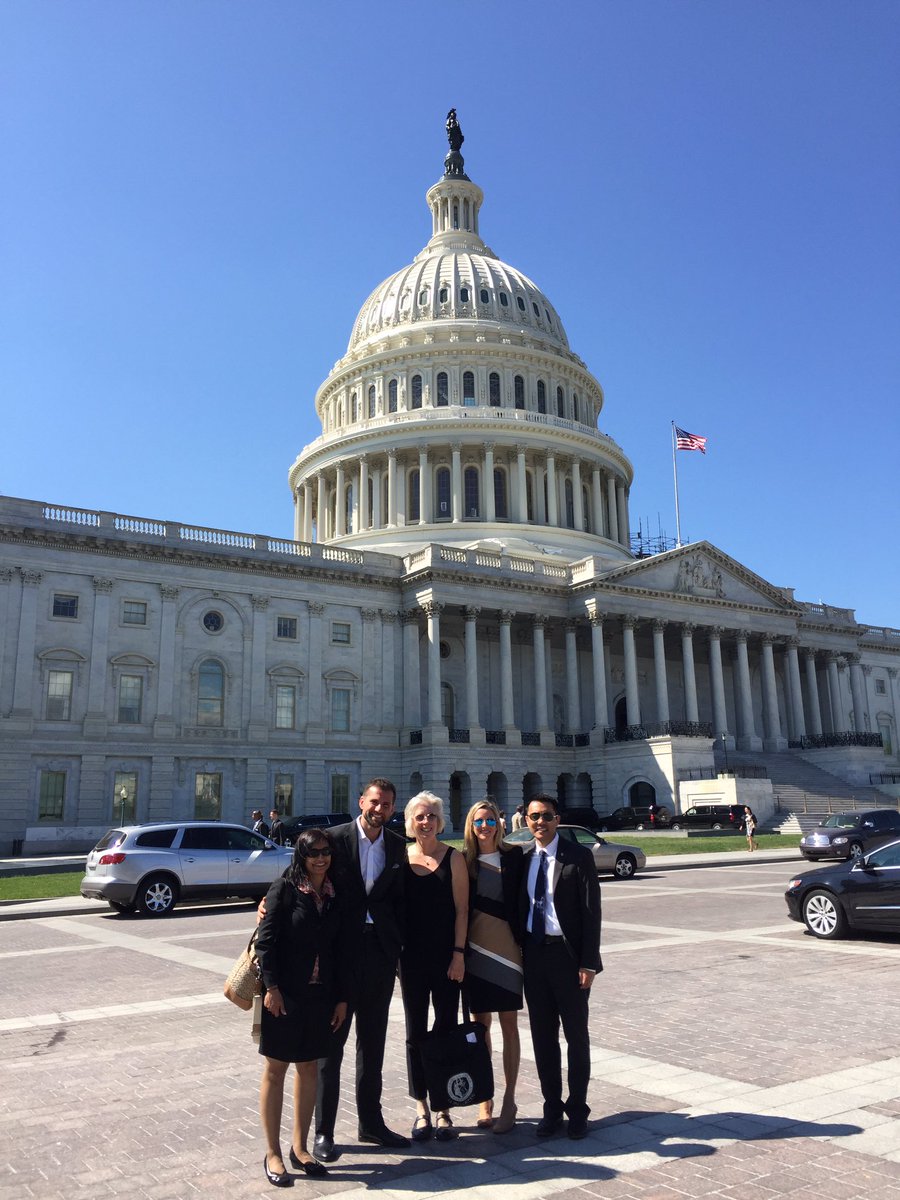
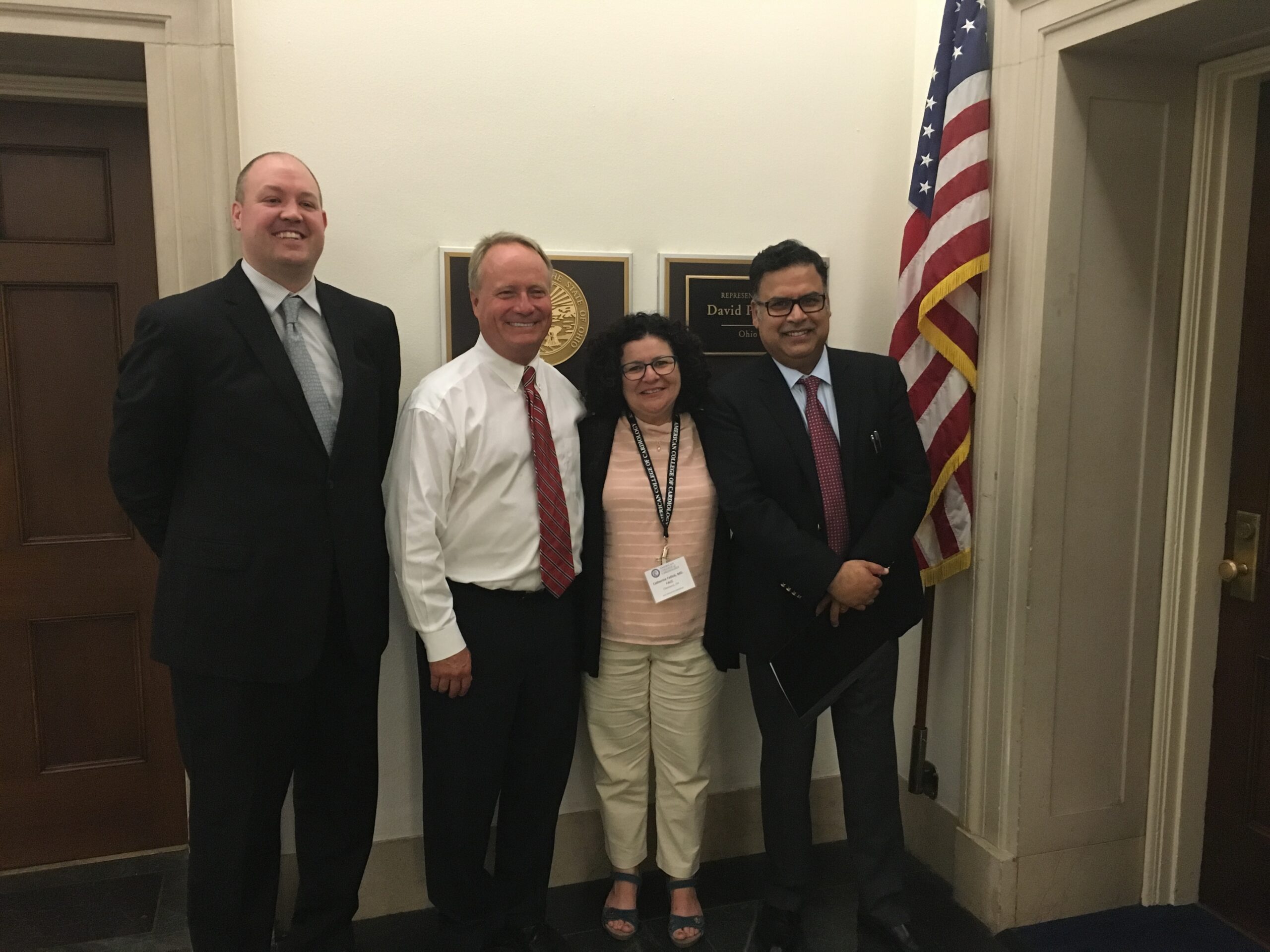
Attendee Reports
The Ohio-ACC provided travel stipends for some Ohio-ACC members who attended. Here are their reflections of the experience:
Anne R. Albers, MD, PhD, RVT, FACC
The 2016 ACC Legislative Conference covered key topics for providers including the new payment legislation for Medicare ~ Medicare Access & CHIP Reauthorization Act of 2015 (MACRA). Sessions including a panel discussion “MACRA 101” as well as a talk from Jean Moody-Williams, RN, MPP – Deputy Director, Center for Clinical Standards and Quality, Centers for Medicare and Medicaid Services (CMS) representative helped bring the cardiovascular team up to speed on the new law. Ohio participants divided into groups to visit the Hill; we found our way to the offices of Representatives Joyce Beatty, Pat Tiberi, and Warren Davidson, also to Senators Brown and Portman’s offices. Our group took turns talking to legislative aides about legislation to expand patient access to the key secondary prevention program of cardiac rehab, asking for increased funding for NIH, FDA , and ensuring congressional oversight for the MACRA roll out & implementation. We provided first hand education about cardiac rehab- what it offers patients, what’s involved, why the proposed legislation will increase availability for participation, and talked about the impact of medical research on Americans. Having a representative personally thank us for the care a family member received for a potentially devastating heart condition brought home the importance of what we as the cardiology team do everyday.
Anna Broz, MSN, RN, CNP, AACC
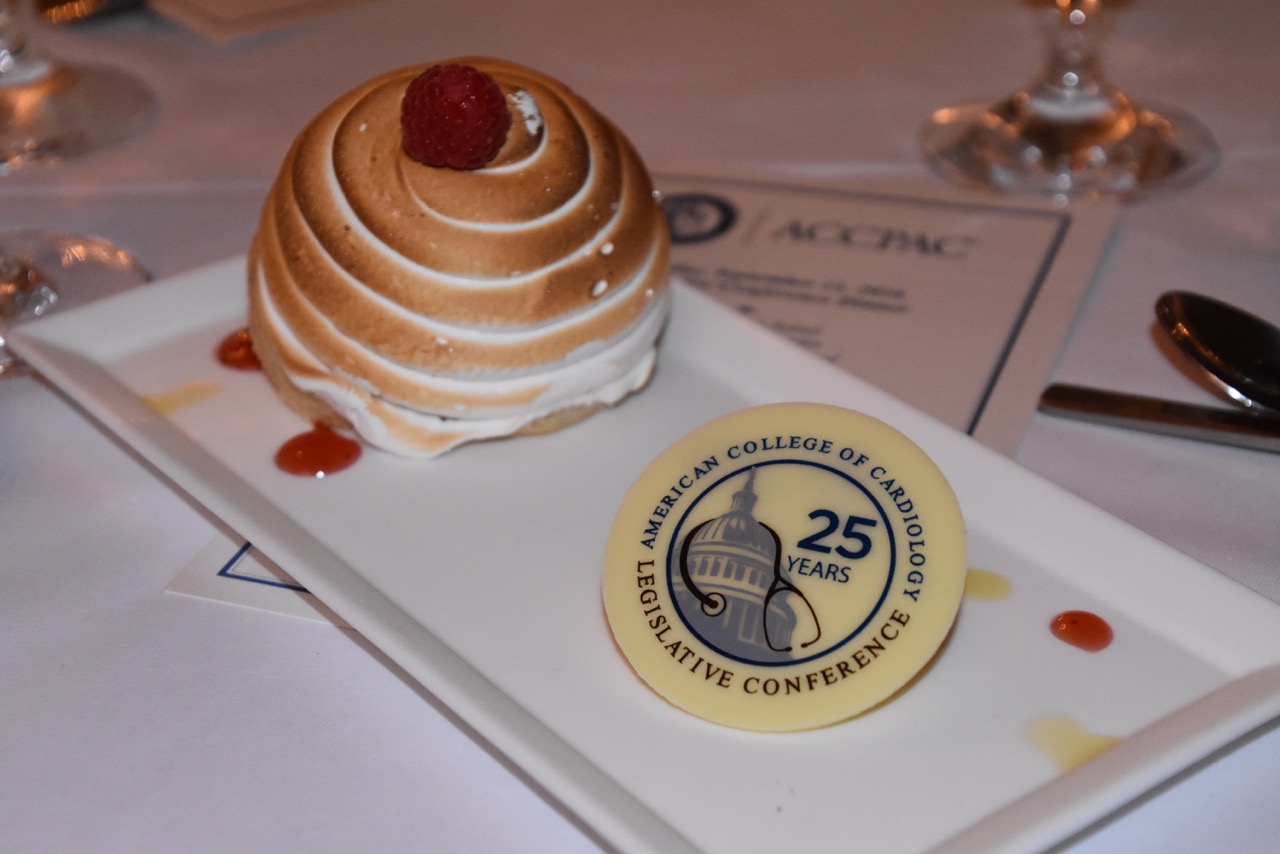
The experience of attending the American College of Cardiology 2016 national Legislative Conference was overwhelming in that MACRA (Medicare Access and CHIP Reauthorization Act) repealed SGR (Sustainable Growth Rate) which ACC had been fighting for over a long period of time. Though we are grateful, this is measured by some trepidation, as Congress and CMS needs to work with medical specialty societies to ensure that implementation does not interfere with the delivery of good quality cardiovascular care. At this momentous year, the 25th anniversary of the ACC Legislative Conference, the goal is to lower the incidence of cardiovascular disease by improving cardiovascular health through a strategic plan to have better health, better outcomes, and improvement in quality through team based care. Our message to Congress was to recognize the complexity and unintended consequences with a request to remain involved and committed to proceed in collaboration when the final rule is implemented. The American College of Cardiology is committed to its members by providing additional educational resources through multiple media, including seminars and webinar access. We were thankful for the additional funding for medical research, specifically the increase in the NIH, CDC, FDA budgets. In particular, I was passionate about the HR 3355/S 488 bill that would allow NPs, PAs and CNSs to supervise cardiac rehabilitation that would improve access for many of our cardiovascular patients. In summary, I am proud to be part of the cardiovascular team of ACC, specifically Ohio, a state committed to providing and representing its constituents with quality cardiovascular care.
Timothy Byrnes, DO
I really enjoyed meeting many of the Ohio Chapter members, particularly the other fellows. I know several physicians expressed frustration related to education on MACRA, but I think most realize there a lot of unknowns with MACRA currently, making it difficult to provide physicians with the education many were hoping to receive. Overall, I thought the meeting was a success and the representatives we met with were very receptive to our issues.
Sherry Donaworth, NP
I want to express my sincere appreciation for the opportunity to attend the ACC Legislative Conference as the beneficiary of a stipend from the Ohio ACC. My experience at the Legislative Conference was overwhelmingly positive! It was truly inspiring to meet people from our state and from rest of the country who are all invested in enabling health care providers to improve access to cardiovascular care for our patients. I was nervous, because I didn’t really know what to expect. However, I was very pleasantly surprised at the positive interactions our group experienced when visiting the offices of our Representatives. I do believe we had an impact- especially since Ohio was represented by such a large contingent! I thought it was especially important that our representation was multidisciplinary. Additionally, listening to the conference presentations allowed me to gain insight into how the ACC continually advocates for providers and patients at the national level. I certainly look forward to the prospect of being able to attend the ACC Legislative Conference on an annual basis.
Catherine Fallick, MD, FACC
In September, I went to the American College of Cardiology (ACC) annual national legislative meeting. I had lobbied twice in Columbus while the Ohio legislature was in session and had had worthwhile experiences. At the state level, we lobbied for the addition of hands-on CPR and AED training as a requirement for high school graduation. The groundwork had been laid by a few of the highly perseverant and hard-working members of the Ohio ACC Board of Trustees and our job was to thank the representatives who had sponsored the bill, and discussing the issues with those who had not yet made up their minds about the bill. The General Assembly passed the House Bill 113 in May of 2016 for hands on training of CPR and AEDs: it passed unanimously in the Senate, and 85-7 in the House, with dissenters feeling that we should not be telling schools how to spend their budgets. This was a big success for the Ohio ACC and the other medical associations who had worked hard to see this pass. Armed with this experience, I felt ready to tackle the corridors of the massive block wide buildings in search of Ohio senators and representatives. The work started as soon as we got to Washington, D.C. We were to talk to Congress about MACRA, the Medicare Access and CHIP Reauthorization Act and specifically about an amendment the ACC was pushing for: funding for the private cardiology practices whose Electronic Medical Records did not have the capacity to upload the data that CMS was going to start requiring. The breadth and depth of knowledge of our ACC Political Action Committee was made evident by the seminar they prepared for us: experts from CMS and cardiology experts from the private and academic sectors were brought in to discuss the broad brushstrokes of the Medicare Access and CHIP Reauthorization Act as well as its nuances. We were then taught how to broach the discussions that we would have the next day, and how to use our credibility as practicing clinicians to the forefront. The next day we headed to the hill to see our state’s representatives and senators. I was assigned to the group that would meet with Robert Portman and David Joyce, both of whom were facing reelection this past November. I had been told that Mr Joyce was friendly and outgoing, and indeed he was. Mr Portman was not able to meet with us: instead three smart, inquisitive, educated staff members met with us. Their knowledge was impressive: we were talking to young legislative assistants at the top of their game . They asked us important questions, listened to our answers, and made it clear that the time we had taken away from our busy careers had been worthwhile. I headed home, satisfied that the 400 of us who had come had made a small but tangible contribution in the governing of our country.
Terry Faulkner DNP, RN
I would like to thank the ACC for allowing me to experience the ACC day on the hill. I experienced many Ah Ha moments related to how our government supports certain bills.I have always been an ethically no support politics person, with the conviction of not buying my congressman through lobbying etc. The selection and the variety of speakers was exceptional and well balanced. I loved being in Washington DC during the uncertainty of everything. I’m not sure this was unique. The day of prep to visit our congressmen related to bill specifics and the details of each bill was overwhelming and exciting at the same time. Our need as a cardiology community to oversee each bill development, to ensure quality patient care, was very eye opening. I previously did not understand the dynamics of congress and how requests are prioritized. It was strongly reinforced once we started our visits.My take away from the days were the following:
We are not the only community with needs and concerns.
CMS means – Cannot Make Simple or Complicate Money Saved
All bills from the 10,000 foot view looks pretty straight forward but:
• You need someone to deep dive into the bills being presented to congress, because of the loop holes and consequences that will impact the outcomes to be delivered. These people need to follow it like the mom of a toddler to get it to graduation. Then you need to find a way to effectively share the information with all to be affected by this bill.
• You need to look closely at how you would be able to implement the new regulations and what impact it will have on big hospital based physician groups down to the solo practitioner. It will be our voice that guides the specific implementation outcomes.
• Visiting the congressman offices in September before a presidential election will give you a guaranteed meeting with a 20 something underpaid overwhelmed staffer. That being said, your challenge will be to find an impactful way to deliver the message of your concerns, not only for understanding by the staffer, but to stand out from the other 10 groups waiting in the hall way for their 10 minutes.
I walked away comfortable to know we would not be moving many issues forward as much as keeping it afloat until after the elections. I was blessed to share a day on the hill with many strong talented professionals from Ohio who had passion and ability. I thank you again for the stipend that allowed me to attend an amazing experience. I look forward to supporting this group in the future both in time and finance.
Sanjay Gandhi, MD, FACC
The trip was a great success and it was nice to be able to get our message out there. As some of the speakers mentioned, this is a marathon and it is good to be engaged and it is good to see so many other cardiologists ( especially fellows in training) engaged with the process. I would like to thank the ACC for this opportunity to attend the legislative day and organizing all the meetings with our legislators.
Robert E. Hobbs, MD, FACC
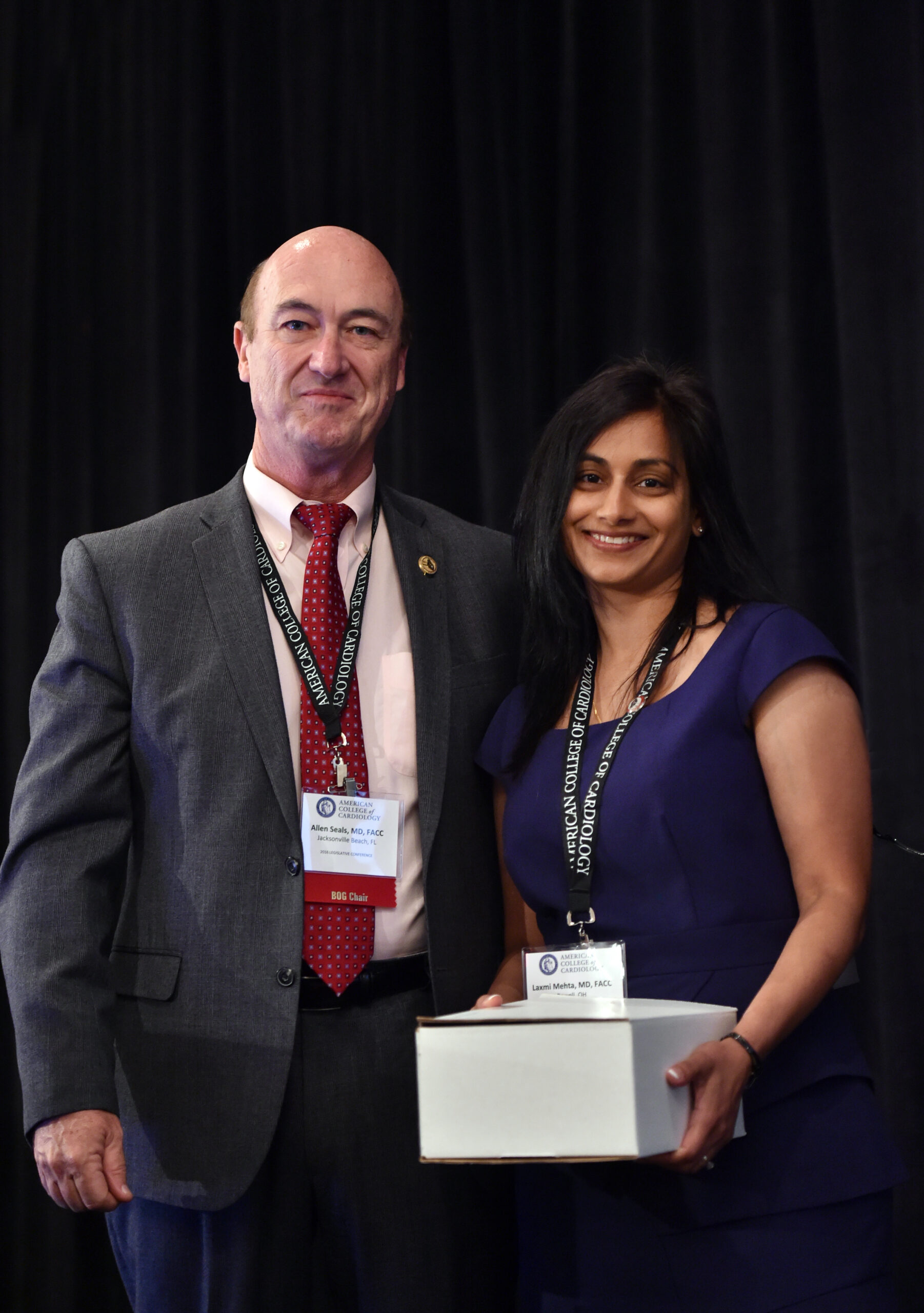
The 25th annual ACC Legislative Conference was held in Washington, DC September 10-13, 2016. Almost 400 members of cardiovascular care teams throughout the country attended this event. The Ohio Chapter once again came with the largest delegation of any state. Laxmi Mehta, MD, Ohio-ACC Governor, received an ACC award for legislative advocacy in lobbying for two bills involving CPR training in high schools and pre-authorization. At the ACC-PAC dinner, Michael Beschloss, a presidential historian, provided the attendees with multiple personal vignettes about former presidents. He noted that presidential medical conditions were often undisclosed such as those of Roosevelt, Eisenhower, Kennedy, and Johnson. At the Legislative Conference, MACRA continued to dominate all healthcare issues. The CMS proposals continue to undergo changes, and the final rule will be issued in November. Few physicians comprehend it and most do not know how to proceed. Former U.S. Congressman Jack Kingston provided practical guidelines for meeting with legislators. He cautioned us keep our message clear, brief and laser-focused. He noted that there are 5030 PACs in Washington and the ACC ranks #17 among medical PACs. Congressional salaries are $174,000 annually, and approximately 100 members of congress sleep in their offices. Nathan Gonzales, Editor and Publisher of the Rothenberg and Gonzales Political Report commented that all bets are off in the current presidential race. On Tuesday, more than 300 ACC members visited the offices of senators and representatives on Capitol Hill to deliver three messages:
• Congress must exercise careful oversight of MACRA implementation to ensure CMS is interfacing with medical societies and practices to effectively manage the transition.
• Foster innovation and research through increased funding to the NIH, FDA, and CDC.
• Cosponsor and support HR 3355 / S 488 to expand access to cardiac rehabilitation by allowing physician assistants, nurse practitioners, and clinical nurse specialists to supervise cardiac, intensive cardiac, and pulmonary rehabilitation programs.
Regina Kayse, MD
The Legislative Conference was a great opportunity to learn more about some of the issues that directly affect us as cardiologists and to work with Congress and the Senate in addressing these issues. I was amazed with the dedication of some of the physicians who have been going to the the Hill for years. Even though it was my first time, I could still see the impact that the meeting makes – seeing that many congressmen/women actually listen to us and want to work with us and to see the effect of SGR getting repealed after ACC has talked about that in the past. Thanks for the opportunity to be a part of this. It has opened me to a whole other side of medicine and the impact we can have.
Andrea Robinson, ACNP
This was my first time participating in the national ACC Legislative Conference, held in Washington DC on September 11th-13th, 2016. I was among nearly 400 colleagues made up of members of the cardiovascular care team, including physicians, fellows in training, advanced practice providers, and administrators and was proud to represent Ohio, which sent one of the largest groups of members in the country. This was an outstanding educational experience for me, particularly in learning about the importance of advocacy and how key it is in order to obtain the college’s mission of improving cardiovascular health. This was also a wonderful opportunity to build relationships and network with other members and leaders of ACC from across the country. The meeting was exceptionally well planned, starting with an online webinar to prepare first time attendees, break out sessions for education and discussion of the political talking points, interesting speaker presentations, networking sessions, and interactive social media apps with important information such as directories of our legislators, speaker biographies, and our personal capitol hill schedule of meetings. I would like to thank the Ohio ACC Chapter for granting me this opportunity to become involved in cardiology advocacy at the national level, particularly this early on in my career, and I look forward to continuing the advocacy effort for many years to come.
Sandra Smith, MSN, CNP, AACC
Thank you to the ACC once again for the opportunity to attend the Legislative Conference in Washington, DC. I had the opportunity to meet with legislators about some very important topics, including MACRA which is certainly complicated but also vital to understand. I was fortunate to meet with an aide for Representative Marcy Kaptur, Nora Sarsour. I have extended an invitation to the Representative from Ohio to attend the opening of Cleveland Clinic’s new hospital in Avon, Ohio in November. I hope this will strengthen communications and keep the conversation going! The organizers of the conference should be congratulated for a wonderful program. I was also able to meet with peers from around the country and glean insights into their practice as ACC members and how they are managing day to day operations in our changing climate. Thank you once again for the opportunity. It was a great professional meeting.
David Stultz, MD, FACC
The ACC Legislative Conference offers a unique lens behind the scenes at the policies that shape our daily practice. Discussing these issues with the ones charged with making the rules is a rewarding experience, and truly offers them a glimpse into how their judgments affect us and our patients. With a high level view of changes to come, I leave better equipped to manage the challenges ahead.
Rayji Tsutsui, MD
I am very happy that I attended this conference. Prior to going to the conference, my knowledge of what ACC did for advocacy was minimal. My wide range of experience I had during the conference really made me understand what ACC’s advocacy activities are as well as understanding skills necessary to deliver our messages effectively to the politicians. I believe it was well structured conference, with first day being orientation for early career / first time attendees as well as the ACCPAC dinner. A presidential historian was invited as a guest speaker who provided interesting insights into past presidents and what they were like. It reinforced that by knowing history we can understand the present and how to move toward the future. The second day was comprised of seminars and breakout sessions. The breakout sessions were particularly useful. I found the earlier career sessions and frank dialogue with prior congressman were very interesting and eye opening sessions. On the third day, we had an opportunity to deliver our messages personally to a senator and congressman (and their aides). With guidance from Dr. Robert Hobbs and Dr. John Schaefer, we had an opportunity to speak to Congressman Bob Gibbs directly as well as other aides. I cannot thank Ohio ACC enough for supporting my participation in this unique opportunity that I will cherish throughout my future career.
Akira Wada, MD
As a first time participant in the ACC Legislative Conference, I was able to learn about topics such as MACRA that will effect not only my career but also everyone in medicine as well as patients. Being able to discuss with others who are passionate about advocacy and trying to improve health care and medicine for those within the field of cardiology was real motivation to continue to advocate. I would like to thank the Ohio-ACC chapter for this opportunity to be involved in a great event, and I hope to continue the hard work that others have put forth.
